Imagine a secret ingredient that can turn simple grape juice into a delicious, bubbly drink. That secret ingredient is yeast! For centuries, winemakers have relied on these tiny creatures to create the wines we love. But choosing the right yeast can feel like a puzzle.
There are so many different kinds of wine making yeast out there, each with its own special talents. Some yeasts make fruity flavors pop, while others bring out deep, rich notes. Picking the wrong one can lead to a wine that tastes flat or even a little… off. It’s a common worry for anyone trying to make their own wine, from beginners to experienced brewers.
But don’t worry! By understanding what makes each yeast special, you can unlock the full potential of your grapes. This post will guide you through the exciting world of wine making yeast. You’ll learn how to choose the perfect partner for your next batch, helping you create wines that are not just drinkable, but truly delightful.
Top Wine Making Yeast Recommendations

- INCLUDES: 10 packs (5 g sachets) of Lalvin EC-1118 wine yeast.
- Manufactured by Lallemand Inc. and re-packaged in Canada by CAPYBARA Distributors Inc.
- INOCULATION RATE: 5g Sachet Makes 4.5L-23L
- WINE STYLES: Sparkling wine base and Prise de Mousse. Useful for a wide range of applications, including wine and fruit cider fermentations.

- INCLUDES: 10 Packs (5 g sachets) of Red Star Premier Classique wine yeast
- Manufactured by Fermentis (Lesaffre) and Distributed by CAPYBARA Distributors Inc.
- This strain guaranties a quick start of the fermentation by rapidly settling into the must faced with indigenous microflora. Good alcohol resistance (till 15% vol.), recommended for fermentation without temperature control thanks to its ability to ferment within a large temperature range 14-30°C (57°-86°F). Optimum resistance to all nutritional deficiencies (musts poor in available nitrogen) and to difficult conditions (strongly clarified musts, high SO2 content).
- Neutral strain regarding the aromatic profile. Variety respect. Selected for its ability to give very clean aromas and characterised by a low production of volatile acidity and acetaldehyde.

- INCLUDES: 10 Packs Sampler (5 g sachets) of Red Star wine yeast
- Manufactured by Fermentis (Lesaffre) and Distributed by CAPYBARA Distributors Inc.

- INCLUDES: 5 packs (5 g sachets) of Lalvin EC-1118 wine yeast.
- Manufactured by Lallemand Inc. and re-packaged in Canada by CAPYBARA Distributors Inc.
- INOCULATION RATE: 5g Sachet Makes 4.5L-23L
- WINE STYLES: Sparkling wine base and Prise de Mousse. Useful for a wide range of applications, including wine and fruit cider fermentations.

- INCLUDES: 10 Packs (5 g sachets) of Red Star Premier Rouge wine yeast
- Manufactured by Fermentis (Lesaffre) and Distributed by CAPYBARA Distributors Inc.
- This strain guarantees a fast start of the fermentation process, good alcohol resistance (till 15% vol.), complete and regular fermentation kinetic (within 17-30°C / 64-86°F), low volatile acidity and acetaldehyde production under suitable nutritional conditions.
- Strain able to improve the softness and the roundness of full-bodied wines thanks to the valorisation of the lightest tannins. Varietal strain adapted to the vinification of Bordeaux grapes: development of “cut herbs” like aromas with Cabernet Sauvignon and “ripen fruits” like aromas with Merlot. Adapted to international market requirements by producing full bodied red wines poor in astringency, production of complex aromas which combined with oak flavors to create a very original organoleptic profile, what can bring character to the lightest wines.
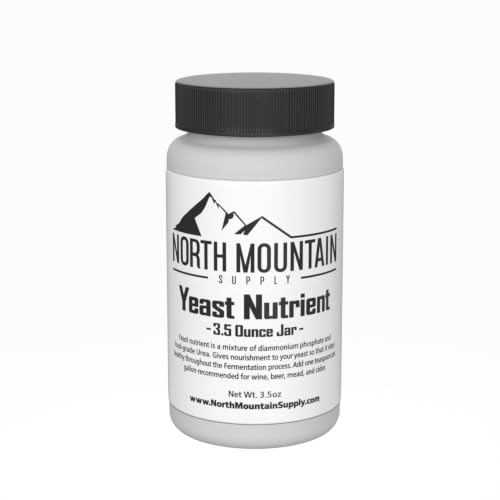
- 3.5 OUNCE JAR: North Mountain Supply food grade yeast nutrient, 3.5 ounce jar
- WHAT IS IN IT: The nutrient blend contains diammonium phosphate and food-grade urea
- SUPPORTS YEAST ACTIVITY: Helps nourish yeast throughout fermentation, helping ensure a complete and efficient fermentation
- HOW MUCH TO USE: Add one teaspoon per gallon of liquid; suitable for use in wine, beer, mead and cider fermentation

- INCLUDES: 10 packs (5 g sachets) of Lalvin 71B wine yeast.
- Manufactured by Lallemand Inc. and re-packaged in Canada by CAPYBARA Distributors Inc.
- INOCULATION RATE: 5g Sachet Makes 4.5L-23L
- WINE STYLES: Red, rosé and white young, fresh and fruity wine with smooth tannin structure as well as fruit ciders.

- INCLUDES: 10 packs (5 g sachets) of Lalvin K1-V1116 wine yeast.
- Manufactured by Lallemand Inc. and re-packaged in Canada by CAPYBARA Distributors Inc.
- INOCULATION RATE: 5g Sachet Makes 4.5L-23L
- WINE STYLES: Aromatic red, white, late harvest and sparkling wines.
Your Yeast for the Perfect Brew: A Winemaking Yeast Buying Guide
Making your own wine can be a rewarding hobby. You get to control the ingredients and create a flavor you love. Yeast is the magic ingredient that turns grape juice into delicious wine. Choosing the right wine yeast is super important for a successful and tasty batch. This guide will help you pick the best yeast for your winemaking adventure.
Key Features to Look for in Wine Making Yeast
When you’re shopping for wine yeast, keep these important features in mind. They will help you make a better wine.
1. Yeast Strain: The Heart of Your Wine
What is a yeast strain?
Think of yeast strains like different types of dogs. Some are great for active play, others are calm and cuddly. Yeast strains are special kinds of yeast that do specific jobs. Different strains create different flavors and aromas in your wine. Some strains are good for red wines, while others are better for white wines. Some yeast strains can handle higher alcohol levels. Others might produce more fruity notes. Always check the label for the specific strain.
2. Alcohol Tolerance: How Strong Can Your Wine Be?
What does alcohol tolerance mean?
This tells you how much alcohol the yeast can handle before it stops working. Most wine yeasts can handle around 12-18% alcohol. If you want to make a stronger wine, you need a yeast with a higher alcohol tolerance. If you don’t have enough tolerance, your fermentation will stop early, and your wine won’t be as strong as you wanted.
3. Fermentation Speed: Patience or Quick Brew?
How fast does it ferment?
Some yeasts work quickly, finishing fermentation in a week or two. Others take longer, sometimes several weeks. If you’re new to winemaking, a faster-fermenting yeast might be easier to manage. If you have more experience, you might prefer a slower yeast for more complex flavors.
4. Flavor Profile: What Taste Do You Want?
What flavors does the yeast create?
Different yeast strains add different flavors. Some create fruity notes like berries or apples. Others can add spicy or earthy notes. Read the yeast description to see what flavors it’s known to produce. This helps you match the yeast to the type of wine you want to make. For example, if you’re making a fruity Chardonnay, you’ll want a yeast that enhances those fruit flavors.
Important Materials You’ll Need
Besides your wine juice, you’ll need a few other things for your yeast to do its job.
1. Yeast Nutrient: Food for Your Yeast
Why do yeast need nutrients?
Yeast needs food to be healthy and active. Yeast nutrients are like vitamins for your yeast. They help the yeast multiply and ferment properly. Without enough nutrients, fermentation can slow down or even stop. You can buy special yeast nutrients at winemaking supply stores.
2. Sanitizer: Keeping Things Clean
Why is sanitizing important?
Cleanliness is super important in winemaking. You need to sanitize everything that touches your wine. This includes bottles, carboys, spoons, and even your hands. Sanitizing prevents bad bacteria or wild yeast from spoiling your wine. Wild yeast can make your wine taste off. Use a no-rinse sanitizer recommended for winemaking.
Factors That Improve or Reduce Quality
A few things can make your wine better or worse.
1. Temperature Control: Just Right, Not Too Hot, Not Too Cold
How does temperature affect yeast?
Yeast likes a specific temperature range to work best. If it’s too cold, fermentation slows down. If it’s too hot, the yeast can die or produce off-flavors. Most wine yeasts prefer temperatures between 60-75°F (15-24°C). Try to keep your fermenting wine in a stable temperature environment.
2. Oxygen: Good at First, Bad Later
When does oxygen help or hurt?
When you first pitch your yeast (add it to the juice), a little bit of oxygen helps it multiply. However, once fermentation starts, you want to keep oxygen away from your wine. Too much oxygen later can make your wine taste stale or vinegary.
3. Sugar Levels: The Yeast’s Main Food Source
How do sugar levels matter?
The sugar in your grape juice is what the yeast eats to make alcohol. If there isn’t enough sugar, your wine will have a lower alcohol content. If there’s too much sugar, the yeast might struggle to ferment it all. Winemakers often measure sugar with a tool called a hydrometer to get it just right.
User Experience and Use Cases
Different people use wine yeast for different reasons.
1. For Beginners: Easy and Reliable
What’s good for new winemakers?
Beginners often look for yeasts that are forgiving and easy to use. Strains that ferment reliably and produce good, clean flavors are ideal. These yeasts reduce the chance of making mistakes. They also give you a better chance of making a tasty first batch of wine.
2. For Experienced Winemakers: Exploring Flavors
What do experts look for?
More experienced winemakers might experiment with special yeast strains. They might choose yeasts that create unique flavor profiles or can handle specific winemaking techniques. They might also use yeasts that help them age their wine for longer periods.
3. For Different Wine Types: Reds, Whites, and More
Can I use one yeast for all wines?
No, you can’t always use the same yeast for every type of wine. Some yeasts are specifically bred for red wines, others for white wines, and some for fruit wines or mead. Using the right yeast for your grape or fruit type will help you get the best flavor. For example, a yeast that makes a bold red wine might not be ideal for a light, crisp white wine.
Frequently Asked Questions About Wine Making Yeast
Here are some common questions people have about wine yeast.
Q1: How much yeast do I need for a batch of wine?
A1: The amount of yeast you need depends on the size of your batch and the specific yeast product. Most packets will have instructions on how much to use for a typical 5-gallon batch. It’s always best to follow the instructions on the yeast packaging.
Q2: Do I need to rehydrate wine yeast?
A2: Yes, most dried wine yeasts need to be rehydrated before adding them to your juice. This means mixing them with warm water for a short time. This wakes up the yeast and gets it ready to ferment. Check the instructions on your yeast packet for the correct rehydration method.
Q3: What happens if I use bread yeast for wine?
A3: While bread yeast can ferment, it’s not ideal for winemaking. Bread yeast is designed to produce CO2 for bread, not alcohol for wine. It often doesn’t tolerate high alcohol levels well and can create off-flavors in your wine.
Q4: Can I add more yeast if my fermentation stops?
A4: Yes, you can often add more yeast if fermentation has stopped prematurely. This is called “pitching” or “re-pitching” yeast. Make sure to rehydrate the new yeast properly before adding it. Also, check if there’s enough sugar and nutrients.
Q5: How long does wine yeast last?
A5: Unopened, dried wine yeast can last for a couple of years if stored properly in a cool, dry place. Once opened, it’s best to use it within a few months. Check the expiration date on the package.
Q6: What is “wild yeast”?
A6: Wild yeast is naturally present on grapes and in the environment. While some winemakers intentionally use wild yeast for unique flavors, it can be unpredictable. For most home winemakers, using a cultured wine yeast is safer for a reliable fermentation.
Q7: Can I mix different yeast strains?
A7: It’s generally not recommended to mix different yeast strains. They can compete with each other, and one might overpower the other, leading to an undesirable flavor profile or stalled fermentation. Stick to one strain per batch for best results.
Q8: What is a “lag phase” in fermentation?
A8: The lag phase is the initial period after you add yeast to your juice. During this time, the yeast is getting used to its new environment and multiplying. You won’t see much activity like bubbling yet. This phase usually lasts a few hours to a day.
Q9: How do I know if my yeast is dead?
A9: If your yeast is dead, it won’t ferment the sugar. You might not see any bubbling or activity after a few days. Also, if you tried to rehydrate it and it didn’t foam or become active, it might be dead. Old or improperly stored yeast is more likely to be dead.
Q10: Where can I buy wine making yeast?
A10: You can buy wine making yeast at local homebrew supply stores or online through many winemaking equipment retailers. These stores specialize in ingredients and supplies for making wine and beer.

Hi, I’m Mallory Crusta, the heart and mind behind LovelyPetSpot.com.. As a passionate pet enthusiast, I created this space to share my experiences, expertise, and love for all things pets. Whether it’s helpful tips, heartfelt stories, or advice for pet parents, my mission is to make the journey of caring for your furry, feathery, or scaly friends as joyful and fulfilling as possible. Join me in celebrating the incredible bond we share with our animal companions!