Imagine a silent danger lurking in your home. It’s invisible, odorless, and can be deadly. This danger is a gas leak, and it’s something many homeowners worry about but don’t know how to protect against. When it comes to keeping your family safe, a home gas detector is a must-have device. But walking into a store or browsing online, you’re met with a confusing array of models, features, and price tags. It can feel overwhelming trying to figure out which one is truly the best for your needs.
Choosing the right gas detector is more than just picking a gadget; it’s about investing in peace of mind. You want to be sure your home is protected from common threats like carbon monoxide and natural gas. This post will cut through the confusion. We’ll explore what makes a good gas detector, what to look for when you’re shopping, and how to ensure you’re making the smartest choice for your family’s safety. By the end, you’ll feel confident in selecting a detector that offers reliable protection.
Top Home Gas Detector Recommendations

- Easy Installation - simply plug-in to a standard, 120V outlet in your home
- 9-volt battery backup provides protection during a power outage
- Digital LED display shows the level of carbon monoxide the CO alarm is sensing or states "GAS" when explosive gas is present
- 85-decibel alarm announces when carbon monoxide or explosive gas is detected
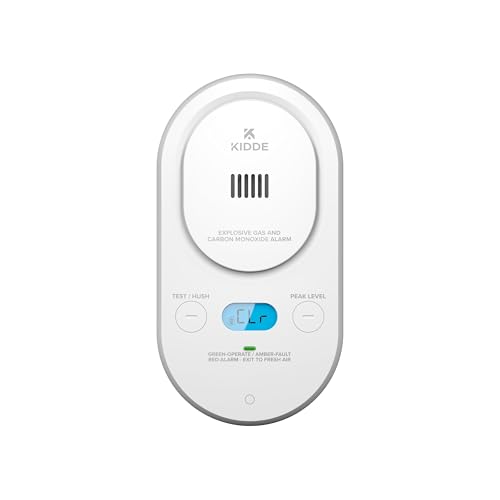
- 3X THE DETECTION: Model COPDLG detects low levels of CO, natural gas, propane and sounds a loud 85-dB alarm; backlit digital display indicates level of CO presence or the word "GAS" when explosive gas is present; replaces model 900-0113, KN-COEG-3
- ADVANCED LOW-LEVEL CO TECHNOLOGY: Alerts earlier at 30-70ppm with distinct light & sound pattern, helping safeguard young children, older adults, pregnant women, and pets*; at 70ppm a separate alarm pattern signals dangerous levels for all occupants
- PLUG-IN + AA BATTERY BACKUP: Simply plug into a standard, 120V outlet with two included AA backup batteries for coverage during power outages; rotating plug fits vertical or horizontal outlets; sleep peacefully with no low battery chirps
- TESTED & TRUSTED: This carbon monoxide alarm is rigorously tested to meet UL 2034, 5th Edition standards, and is ETL Listed; includes a 7-year limited warranty on the alarm

- Effective Gas Leak Detector: The TOPTES PT520A natural gas detector detects leaks of methane, propane, natural gas, LPG, butane, and more in tight spaces
- Flexible Probe: The 17-inch gooseneck allows easy access to hard-to-reach areas like pipelines, storage tanks, gas fireplaces, and basements, ideal for both indoor and outdoor leak detection. During use, point the probe toward the suspected leak source and move as close as 1–5 cm
- Visual and Audible Alarm: PT520A responds in 0.5 seconds, with 7 colored bars and a 75dB alarm that increase with gas concentration. Detection range: 50-10,000 ppm (Methane)
- User-Friendly Functions: Enable or disable Auto Power-Off with the APO button to save power after 10 minutes of inactivity. The Mute button silences the alarm, and the non-slip, wear-resistant design ensures a secure, comfortable grip for easy handling

- Combustible Gas Leak Detector: The TopTes PT199 detects natural gas, methane, propane, butane, LPG, and more, pinpointing leaks to reduce the risk of explosion, keeping your family and property safe
- Visual and Audio Gas Alarm: Visual and audio alarms trigger within 0.5 seconds of gas detection. The alarm intensifies with gas concentration, and the LCD screen turns red when gas levels are high
- Batteries Included and Easy to Use: The TopTes PT199 includes 2x AAA batteries and is ready after a 30-second warm-up. The low battery indicator activates below 2.4V, and it auto-powers off after 5 minutes without operation or gas detection
- Compact Design: Pocket-sized, non-slip, and easy to carry or store in the included bag. Ideal for RV owners, DIYers, and homeowners with gas appliances. Saves you from paying hundreds of dollars in diagnostics or wasting gas in an undetected leak

- Combustible Gas Leak Detector: PT177 is a useful little tool that helps every household with gas appliances to quickly and easily pinpoint the leakage of combustible gas including LPG, methane, ethane, propane, butane, natural gas, coal gas, etc. Important Warm-Up Notice: Before use, the PT177 must be powered on and warmed up for 30 seconds in a clean, gas-free environment to ensure accurate detection results
- Visual and Audible Alarms: PT177 gas detector requires a 30-second auto-calibration after powering on and can detect gas and trigger an alarm within 0.5 to 3 seconds. Five red LEDs and a 75 dB audible alarm intensify as gas concentration increases
- Pocket sized with a pocket clip that allows you to carry it in your shirt pocket. The included storage bag makes the natural gas detector easy to store. It is a convenient tool for RV enthusiasts, DIYers, homeowners with gas appliances, etc
- User Friendly Features: When the battery voltage is below 2.4 volts, the power indicator light will flash to remind you to replace the battery in time. If inactive for 5 minutes without operation or detecting gas, the PT177 will automatically turn off

- Upgraded sensor for greater sensitivity and reliability
- Plug-in design saves installation time
- Digital display shows gas concentration and is easy to read
- Detects flammable gases such as propane, LPG, LNG, and others

- Easy Installation - simply plug-in to a standard, 120V outlet in your home
- 9-volt battery backup provides protection during a power outage
- Digital LED display shows the level of carbon monoxide the CO alarm is sensing or states "GAS" when explosive gas is present
- 85-decibel alarm announces when carbon monoxide or explosive gas is detected

- 【CLEAR NUMERIC DISPLAY】 The front screen presents an updated gas reading in a simple numerical format that is easy to view during regular operation.
- 【DIRECT PLUG-IN SETUP】 Connects directly to a standard wall outlet without batteries, charging cables or complicated wiring.
- 【FOR GAS-APPLIANCE AREAS】 Suitable for kitchens, apartments, houses and utility rooms where natural gas or propane appliances are commonly used.
- 【COMPACT WHITE HOUSING】 The clean, low-profile design fits neatly into indoor spaces without taking up room on counters, shelves or work surfaces.
Your Essential Guide to Choosing a Home Gas Detector
A home gas detector is a vital safety device. It alerts you to dangerous gas leaks, protecting your family and property. This guide helps you pick the right one.
Why You Need a Gas Detector
Natural gas and carbon monoxide (CO) are colorless and odorless. You can’t detect them on your own. Gas leaks can lead to explosions or poisoning. A detector provides early warning.
Key Features to Look For
1. Type of Gas Detected
- Carbon Monoxide (CO) Detectors: These are essential. CO is a deadly gas from burning fuels like gas stoves and furnaces.
- Natural Gas/Propane Detectors: These detect leaks from your gas lines, stoves, and appliances. Some models detect both.
- Combination Detectors: These are very popular. They sense both CO and natural gas/propane. This offers comprehensive protection.
2. Power Source
- Battery-Powered: Easy to install anywhere. You need to replace batteries regularly.
- Plug-In with Battery Backup: Plugs into a wall outlet. The battery backup ensures it works during power outages.
- Hardwired: Connects directly to your home’s electrical system. Often has a battery backup. This is the most reliable option.
3. Sensor Type
Different sensors detect different gases. Most home detectors use electrochemical or semiconductor sensors. They are usually very accurate.
4. Alarm Features
- Loud Alarm: The alarm should be loud enough to hear throughout your home. Look for a decibel rating of at least 85 dB.
- Digital Display: Some detectors show the gas level. This helps you understand the severity of the situation.
- Voice Alerts: Some advanced models speak to you, telling you what the problem is.
- Smart Home Integration: Connects to your Wi-Fi. You can get alerts on your phone.
5. Lifespan and Replacement
Gas detectors have a limited lifespan, usually 5-10 years. Check the expiration date on the device. Replace it when it’s old.
Important Materials and Quality Indicators
Durability
Look for detectors made from sturdy, flame-retardant plastic. This ensures they last a long time and are safe.
Certifications
Ensure the detector has certifications from recognized safety organizations like UL (Underwriters Laboratories) or ETL (Intertek). These certifications mean the product meets safety standards.
Factors that Improve or Reduce Quality
Improves Quality:
- Long Sensor Life: A sensor that lasts many years means less frequent replacement.
- Self-Testing Features: Some detectors test themselves regularly. This ensures they are always working.
- Easy Installation: Simple mounting and setup make the device more user-friendly.
Reduces Quality:
- Short Lifespan: Frequent replacement can be costly and inconvenient.
- False Alarms: Detectors that frequently go off without a real leak are frustrating.
- Poor Battery Life: Constantly changing batteries is a hassle.
User Experience and Use Cases
Placement is Key
Install detectors near gas appliances like furnaces, water heaters, stoves, and fireplaces. Also, place them on each level of your home, including the basement and sleeping areas.
- Kitchen: Near the gas stove.
- Basement: Near the furnace and water heater.
- Hallways: Outside sleeping areas.
Ease of Use
A good detector is easy to install and maintain. The alarm should be clear and understandable. Smart features add convenience for tech-savvy users.
Peace of Mind
The primary benefit is safety. Knowing your home is protected from gas leaks provides immense peace of mind.
Frequently Asked Questions (FAQ)
Q: What is the most important type of gas detector to have?
A: A carbon monoxide (CO) detector is the most critical. CO is a silent killer.
Q: How often should I test my gas detector?
A: Test your detector at least once a month. Use the test button on the device.
Q: How do I know when to replace my gas detector?
A: Most detectors have an expiration date printed on them. Replace them when they expire or if they stop working.
Q: Can I install a gas detector myself?
A: Yes, most battery-powered and plug-in models are easy to install yourself. Hardwired models may require an electrician.
Q: What does it mean if my gas detector keeps going off?
A: It could mean a gas leak. Evacuate your home immediately and call your gas company or emergency services from a safe location.
Q: Do I need a separate detector for natural gas and propane?
A: Some detectors sense both. Check the product specifications to be sure.
Q: Should I put a gas detector in my garage?
A: If you park a car that runs on gasoline in your garage, a CO detector is recommended. Some gas detectors are not suitable for garages due to potential interference from other fumes.
Q: Are smart gas detectors worth the extra cost?
A: If you want remote alerts on your phone and integration with other smart home devices, they can be worth it. They offer added convenience and peace of mind.
Q: How loud should a gas detector alarm be?
A: It should be at least 85 decibels (dB) to be heard clearly throughout your home.
Q: Can a gas detector detect cooking fumes?
A: Some detectors are sensitive to certain cooking fumes, which can cause false alarms. Natural gas detectors are usually designed to detect fuel gases, not just any fume.

Hi, I’m Mallory Crusta, the heart and mind behind LovelyPetSpot.com.. As a passionate pet enthusiast, I created this space to share my experiences, expertise, and love for all things pets. Whether it’s helpful tips, heartfelt stories, or advice for pet parents, my mission is to make the journey of caring for your furry, feathery, or scaly friends as joyful and fulfilling as possible. Join me in celebrating the incredible bond we share with our animal companions!