Imagine your server as a bustling city. The processor is like the mayor, making all the important decisions and keeping everything running smoothly. But choosing the right mayor, or processor, for your server can feel like a huge task. So many different kinds exist, and it’s easy to get confused about which one is best for your needs.
This choice is super important because a good processor makes your server fast and reliable. A bad one can slow everything down, cause problems, and even cost you money. You might be wondering: “How do I pick the one that won’t break the bank but will still handle all my work?” We understand that feeling!
By the end of this post, you’ll know what to look for in a server processor. We’ll explain the different types and what they’re good for. You’ll learn how to avoid common mistakes and find a processor that makes your server work its best. Let’s dive in and make choosing your server’s brain a whole lot easier!
Top Processor For A Server Recommendations
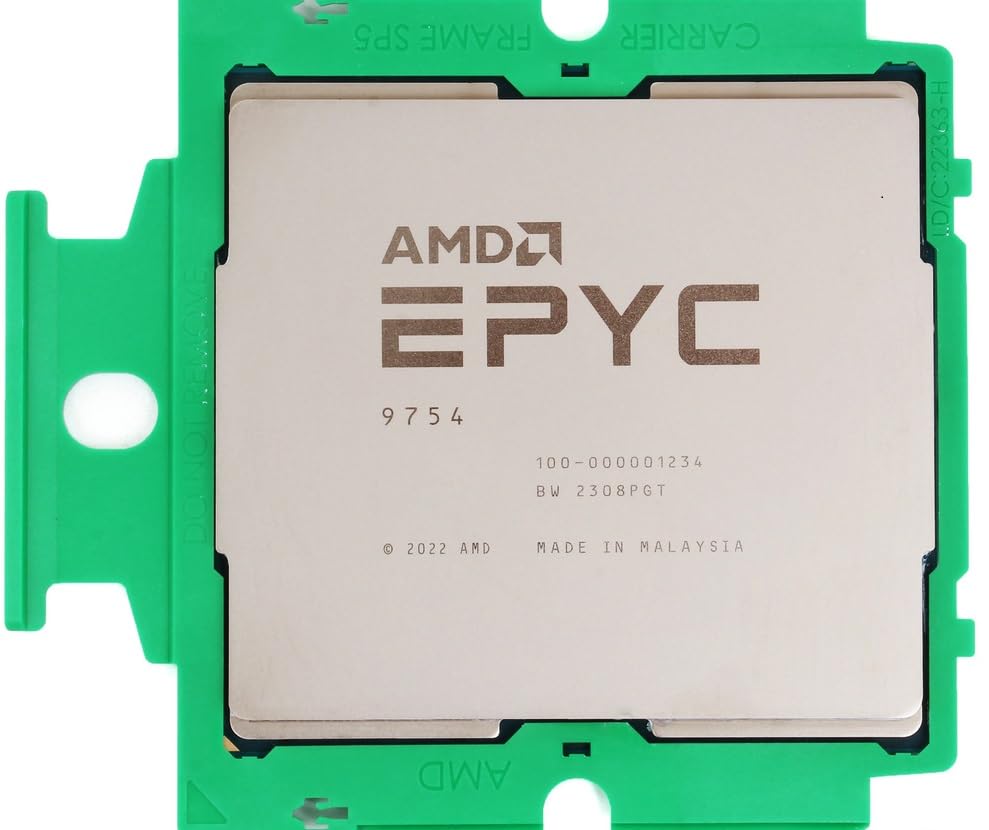
- For AMD EPYC 9754 128 Core Bergamo 2.25GHz (100-000001234) EPYC 9004 Series Socket SP5 ZEN4 256MB L3 Bulk / Tray Pack (Unlocked) Server Processor

- EASY ASSEMBLY: The smart design lets you set the work bowl onto the base, and uses the lid as the locking mechanism. No more struggling to lock the bowl into place.
- 8-CUP WORK BOWL: The large capacity gives you plenty of room to work with when creating salsas, nut butter, hummus, and so much more. The possibilities are endless.
- STAINLESS STEEL S-BLADE: The stainless steel blade quickly chops and mixes for fast, consistent results.
- REVERSIBLE SLICE/SHRED DISC:The reversible metal disc lets you slice veggies quickly or shred cheese without tiring your forearms.
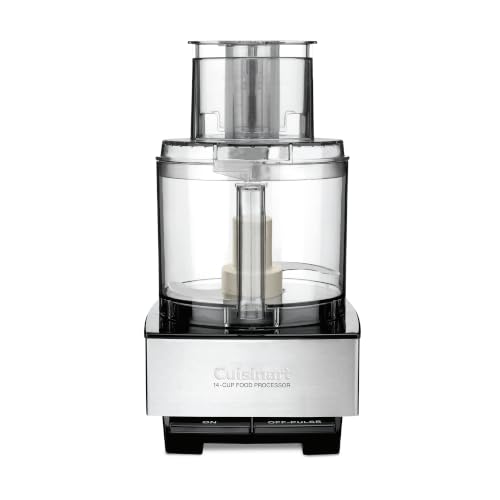
- SUPERIOR FUNCTION: The Cuisinart Food Processor with 720-watt motor functions as a vegetable chopper, blender, and food processer in one. Make any kind of dip, puree soup, or sauce including hummus, salsa, guacamole, and more.
- MUST-HAVE FEATURES: The 14-cup food chopper has “on” and “off/pulse” buttons with an extra-large feed tube with bowl sleeve assembly designed for both small and large feed tube pushers. It also comes with a detachable disc stem for easy clean up.
- INCLUDED ACCESSORIES: This food processor comes with dishwasher-safe parts including a stainless steel standard slicing disc (4mm), medium shredding disc, and stainless steel chopping/mixing blade.
- NOTE TO CONSUMER: The shredding and slicing blades of this electric chopper are not adjustable. Please refer to the manual before setting up.

- Built-in bowl scraper saves time. Quickly process ingredients without stopping to use a spatula. Simply move the scraper from side-to-side to scrape the bowl while the food processor is running or the power is off — no need to remove the lid.
- Slice, shred, chop, mix and puree with 2 versatile attachments. The Hamilton Beach food processor gives you 5 processing functions and includes a stainless steel slicing/shredding disc and chopping/pureeing blade so you can tackle every job with ease.
- Powerful 450 watt motor. Make healthy salads, homemade salsa, hearty acai bowls and more. The 450 watt motor easily powers through the toughest ingredients, so you can spend less time processing and more time enjoying.
- Precise control with 2 speeds plus pulse. The low and high speeds plus pulse give you the control you need for a variety of recipes. Use the high speed when you need more power and select the low speed for processing or mixing delicate foods.

- Number of Processors Installed: 1
- Processor Manufacturer: Intel
- Processor Series: Silver
- Processor Model: 4514Y
- 【2 Speeds & Pulse, Time-Saving】No need to hold down a button. Turn the dial to Low or High speed – the machine runs automatically until you stop. Prep other ingredients while it works – multitasking made easy. Use Pulse for chunky salsas and custom textures – with manual control for precision.
- 【Detachable 2-Layer Blade Design】Upgraded 4-blade compared to 2-blades pulls food up and down for even chopping, no chunky bits. Chops chicken and beef for juicy burgers, nuts for crunchy toppings, and blends smooth pesto, hummus, or salsa – all twice as fast. Blade detaches completely – no trapped food, no scrubbing.
- 【Leak-Proof Lid with Oil Groove 】Sealed lid prevents splatters while blending. Pour oil, vinegar, or lemon juice through the built-in groove – no need to stop or remove the cover. Perfect for mayonnaise, vinaigrettes, pesto, and chimichurri. Makes up to 3 cups – enough for the whole family.
- 【Efficient Motor & Safety Insurance】Pure copper motor delivers 3X longer service life. 600W peak power handles raw meat, hard cheese, and nuts – no stalling. Overheat protection prevents damage and ensures safety. Safety locks: won't start without a locked bowl, stops instantly when lid opens – protecting you and the motor.

- Certified Refurbished Quality: This product is tested and certified to look and work like new, with the refurbishing process including functionality testing, basic cleaning, inspection, and repackaging with all relevant accessories and a minimum 90-day warranty
- Product Code: CM8066002031501
- Processor Specifications: Intel Xeon E5-2680V4 featuring 14 cores running at 2.4GHz base frequency with 35MB cache memory
- Performance Features: Delivers 9.6 GT/s data transfer rate with 120W thermal design power for demanding server and workstation applications
- All-in-one storage solution to store all blades and discs directly in the in-bowl storage caddy.
- Easily adjust slicing thickness with the externally adjustable Exact Slice disc, from thick to thin.
- Snap and Go, easy clean work bowl for easy set up with the twist-free, one-click bowl assembly and latched lid. Add warm water and 1-2 drops of dish soap in the leak-resistant bowl to quickly clean bowl and blades.
- Reduce prep time with the 3-in-1 Feed Tube to process a variety of ingredient shapes and sizes - tomatoes, cucumbers, potatoes and more.
Choosing the Right Server Processor: A Guide for Everyone
Picking the right processor for your server is a big deal. It’s like choosing the brain for your computer. A good processor makes everything run fast and smooth. A bad one can make your server slow and frustrating. This guide will help you understand what to look for.
Key Features to Look For
When you shop for a server processor, keep these important things in mind.
Cores and Threads
- Cores: Think of cores as tiny workers inside the processor. More cores mean the processor can do more jobs at the same time. For servers, more cores are usually better.
- Threads: Threads are like extra hands for each worker. A processor with more threads can handle even more tasks. High core and thread counts help servers run many programs at once without slowing down.
Clock Speed
- Clock speed tells you how fast the processor’s workers can do their jobs. It’s measured in Gigahertz (GHz). A higher GHz means faster work. For some tasks, like running a single big program, a faster clock speed is important.
Cache Memory
- Cache is a super-fast memory that the processor uses to store information it needs often. It’s like a small notepad where the processor keeps important notes handy. More cache memory helps the processor access data quicker, speeding things up.
TDP (Thermal Design Power)
- TDP tells you how much heat the processor makes. Processors that make a lot of heat need better cooling. This can mean louder fans and more electricity use. Lower TDP processors are often more energy-efficient.
Important Materials and Build
Server processors are built to last and perform.
- Silicon: The main material is silicon. It’s a special material that lets electricity flow in a controlled way, which is needed for computing.
- Manufacturing Process: Processors are made with very tiny circuits. The smaller the circuits (measured in nanometers, nm), the more efficient the processor can be. Smaller circuits use less power and can be packed more tightly, allowing for more cores.
Factors That Improve or Reduce Quality
Several things make a server processor better or worse.
What Makes it Better
- More Cores and Threads: As mentioned, these help with multitasking.
- Larger Cache: Faster access to data means better performance.
- Higher Clock Speed: Good for tasks needing quick processing.
- Efficient Architecture: Newer processor designs are often more powerful and use less energy.
What Makes it Worse
- Fewer Cores/Threads: Limits how many tasks can be done at once.
- Low Clock Speed: Can make the processor feel slow.
- Small Cache: Slows down data access.
- High TDP: Leads to more heat, needing stronger cooling and using more power.
- Older Technology: Older designs are usually less efficient and powerful than new ones.
User Experience and Use Cases
How you use your server matters a lot.
- Small Business Servers: These might host websites, share files, or run simple applications. A processor with a decent number of cores and moderate clock speed is often enough.
- Virtualization Servers: These servers run multiple “virtual” computers on one physical machine. They need many cores and threads to handle all these virtual machines smoothly.
- Database Servers: These servers manage large amounts of data. They benefit from processors with large caches and good clock speeds for quick data retrieval.
- High-Performance Computing (HPC): For scientific research or complex simulations, the most powerful processors with the highest core counts and clock speeds are needed.
Choosing the right server processor ensures your server runs efficiently for its specific job.
Frequently Asked Questions about Server Processors
Q: What is the most important feature in a server processor?
A: The most important feature often depends on what you’ll use the server for. For many servers, having a good number of cores and threads is very important for handling many tasks at once.
Q: Do I need a lot of cores for a home server?
A: For a basic home server that shares files or runs a media streamer, you probably don’t need a huge number of cores. A few cores will likely be fine. If you plan to run many services or virtual machines, then more cores would be helpful.
Q: How much RAM does a server processor need?
A: The processor itself doesn’t “need” RAM in the same way the whole server does. However, the server’s total RAM capacity should be enough to support the processor and the tasks it will be doing. More cores and complex tasks usually mean you’ll need more RAM.
Q: Is a higher clock speed always better for a server?
A: Not always. While a higher clock speed is good for tasks that do one thing at a time very quickly, many server jobs involve doing many things at once. In those cases, having more cores and threads can be more beneficial than just a high clock speed.
Q: What does “server-grade” processor mean?
A: Server-grade processors are built for reliability, performance, and often have features like more cores, larger caches, and support for more RAM than regular computer processors. They are designed to run 24/7.
Q: How does the type of server application affect processor choice?
A: Applications that do many things at once, like running virtual machines or web servers, need many cores. Applications that crunch a lot of data quickly, like databases, might benefit more from a higher clock speed and larger cache.
Q: What is the difference between Intel Xeon and AMD EPYC processors?
A: These are the two main brands for server processors. Intel Xeon is a long-standing name, while AMD EPYC has become very competitive, often offering more cores at a good price. Both are excellent choices depending on your needs.
Q: How important is power consumption (TDP) for a server processor?
A: Power consumption is important, especially for servers that run all the time. Lower TDP means less electricity used and less heat generated, which can save money on power bills and cooling costs.
Q: Can I use a desktop processor in a server?
A: While technically possible in some very basic setups, it’s generally not recommended. Desktop processors are not designed for the continuous load and reliability needs of a server environment. Server processors are built for this demanding use.
Q: How often should I upgrade my server processor?
A: This depends on your needs. If your server is struggling to keep up with demand, it might be time. For many businesses, processors can last several years before needing an upgrade, as long as they were well-chosen initially.

Hi, I’m Mallory Crusta, the heart and mind behind LovelyPetSpot.com.. As a passionate pet enthusiast, I created this space to share my experiences, expertise, and love for all things pets. Whether it’s helpful tips, heartfelt stories, or advice for pet parents, my mission is to make the journey of caring for your furry, feathery, or scaly friends as joyful and fulfilling as possible. Join me in celebrating the incredible bond we share with our animal companions!