Does your car feel a little sluggish lately? Like it’s not breathing as freely as it used to? You might be surprised how much of a difference a simple part can make. Your car’s engine needs air to run, just like you do! A performance air filter is like a supercharger for your engine’s lungs, letting it take in more of that vital air.
But let’s be honest, walking into an auto parts store or browsing online can feel overwhelming. So many brands, so many claims! It’s tough to know which one will actually help your car and not just empty your wallet. You want something that works, something that’s worth your money, and something that won’t cause problems down the road.
In this post, we’re going to break it all down for you. We’ll explore what makes a performance air filter special and how it can give your car a little extra pep. We’ll look at what to consider when you’re picking one out, so you can make a smart choice. Get ready to learn how to give your car the breath of fresh air it deserves!
Top Performance Air Filter Car Recommendations

- ENGINEERED POWER: State-of-the-art air filter media is designed to increase horsepower and acceleration as well as improve overall engine performance
- 4 LAYERS OF PROTECTION: Multiple layers of premium cotton gauze treated with a specially-designed tacking agent work together to create an intricate mesh of engine filter media that is designed to block and trap harmful contaminants
- RUGGED CONSTRUCTION: K&N Universal Air Filters are manufactured with durable, premium materials and state-of-the-art construction methods to last a lifetime
- CLEAN ONCE EVERY 5 YEARS: Engine air filter only needs cleaning every 75,000 miles under normal highway driving conditions (5 years based on the average miles driven per year of 15,000 miles)

- RUGGED CONSTRUCTION: K&N Advantage Plus Air Filters are manufactured with durable, premium materials to last for up to 18,000 miles of use.
- EXTENDED LIFE 18K: K&N Advantage Plus Air Filter provides 50% longer life compared to standard 12,000-mile filters.
- SUPERIOR FILTRATION & PROTECTION: K&N uses a premium filter media that provides up to 99% efficiency to protect your engine.
- REPLACE EVERY 18K Miles: Engine air filter only needs to be replaced every 18,000 Miles under normal highway driving conditions (1.5 years based on the average miles driven per year of 12,000 miles)
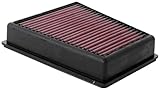
- ENGINEERED POWER: State-of-the-art air filter media is designed to increase horsepower and acceleration as well as improve overall engine performance
- RUGGED CONSTRUCTION: K&N Air Filters are manufactured with durable, premium materials and state-of-the-art construction methods to last a lifetime
- 4 LAYERS OF PROTECTION: Multiple layers of premium cotton gauze treated with a specially-designed tacking agent work together to create an intricate mesh of engine filter media that is designed to block and trap harmful contaminants
- CLEAN ONCE EVERY 5 YEARS: Engine air filter only needs cleaning every 75,000 miles under normal highway driving conditions (based on the average miles driven per year of 15,000 miles)

- RUGGED CONSTRUCTION: K&N Advantage Plus Air Filters are manufactured with durable, premium materials to last for up to 18,000 miles of use.
- EXTENDED LIFE 18K: K&N Advantage Plus Air Filter provides 50% longer life compared to standard 12,000-mile filters.
- SUPERIOR FILTRATION & PROTECTION: K&N uses a premium filter media that provides up to 99% efficiency to protect your engine.
- REPLACE EVERY 18K Miles: Engine air filter only needs to be replaced every 18,000 Miles under normal highway driving conditions (1.5 years based on the average miles driven per year of 12,000 miles)

- Multi-fiber, high-density media traps up to 99% of dirt, dust and soot
- Protects up to 12 months or 12,000 miles, always refer to your owner's manual for the recommended maintenance schedules for your vehicle
- Helps prevent engine wear
- May improve acceleration up to 11% with a new air filter (U.S. DOE study)

- [Vehicle Fitment]:Compatible with CA11858 Nissan Rogue 2014-2020, Nissan Rogue Sport 2017-2022
- [3-Stage Progressive Density Media]: At the core of the PT engine air filter is an advanced nanofiber hybrid media, engineered for unrivaled performance. The outer layer traps large debris, the middle layer reduces fine dust, and the inner safety layer blocks ultra-fine particles. This multi-stage process guarantees exceptionally clean airflow, providing the highest level of protection for your engine's critical components
- [Improved Fuel Economy]: Cleaner intake air improves the efficiency of the fuel combustion process, which improves fuel economy and reduces emissions. A well-maintained air filter is critical to environmental protection and economical driving
- [Installs in 5 minutes]: OE design for direct installation. No special tools or modifications required. Self-installation is easy and convenient

- ENGINEERED POWER: State-of-the-art air filter media is designed to increase horsepower and acceleration as well as improve overall engine performance
- RUGGED CONSTRUCTION: K&N Air Filters are manufactured with durable, premium materials and state-of-the-art construction methods to last a lifetime
- 4 LAYERS OF PROTECTION: Multiple layers of premium cotton gauze treated with a specially-designed tacking agent work together to create an intricate mesh of engine filter media that is designed to block and trap harmful contaminants
- CLEAN ONCE EVERY 5 YEARS: Engine air filter only needs cleaning every 75,000 miles under normal highway driving conditions (based on the average miles driven per year of 15,000 miles)
Your Car’s New Lungs: A Performance Air Filter Buying Guide
Ready to give your car a breath of fresh air and maybe even a little more pep? A performance air filter can be a great upgrade. It’s like giving your engine a more efficient way to breathe in the air it needs to run. This guide will help you pick the best one.
1. Key Features to Look For
When you’re shopping for a performance air filter, keep these important features in mind:
- Airflow: This is the big one! A good performance filter lets more air into your engine. More air often means more power.
- Filtration: While letting air in, it also needs to keep dirt and debris out. Look for filters that offer excellent filtration without choking the airflow.
- Durability: You want a filter that lasts. Some are washable and reusable, which saves money in the long run.
- Fitment: Make sure the filter is designed for your specific car model. A perfect fit ensures no air leaks and proper sealing.
- Ease of Installation: Most performance filters are designed to be a direct replacement for your stock filter. This makes swapping them out pretty simple.
2. Important Materials
The stuff a filter is made of really matters. It affects how well it works and how long it lasts.
- Cotton Gauze: This is a popular choice for performance filters. It’s often layered and treated with oil. This material is great at trapping small particles while allowing good airflow.
- Synthetic Media: Some filters use special synthetic materials. These can offer excellent filtration and often don’t require oil. They can be a good “set it and forget it” option.
- Rubber or Silicone Seals: The edges of the filter need a good seal. High-quality rubber or silicone ensures that no dirty air bypasses the filter.
- Wire Mesh Support: Some filters have a metal mesh inside to keep the filter material from collapsing under suction from the engine. This is important for maintaining airflow.
3. Factors That Improve or Reduce Quality
Not all filters are created equal. Here’s what makes a difference.
What Improves Quality:
- Multi-Layered Filtration: More layers of filtration material can catch more dirt.
- High-Quality Sealant: A strong, flexible seal prevents air leaks.
- Precision Engineering: Filters made with exact specifications for your car model fit best.
- Washable and Reusable Design: This means you can clean and reuse them, saving money and reducing waste.
What Reduces Quality:
- Cheap Materials: Low-quality filter media might not capture dirt effectively.
- Poor Sealing: Gaps around the filter let dirty air get into your engine.
- Oversized or Undersized Fit: A filter that doesn’t fit perfectly is a problem.
- Over-Oiling (for oiled filters): Too much oil can clog the filter and even harm your engine’s sensors.
4. User Experience and Use Cases
How does a performance filter change your driving?
Many drivers report feeling a slight improvement in throttle response. This means your car might feel a little quicker when you press the gas pedal. Some also notice a subtle, sportier engine sound. For everyday driving, it’s a nice little boost. If you do track days or spirited driving, the extra airflow can be more noticeable. It’s a relatively simple modification that can make your car feel a bit more alive.
Remember to follow the manufacturer’s instructions for cleaning and maintenance, especially if you choose an oiled filter. A well-maintained performance filter can serve your car well for a long time.
Frequently Asked Questions (FAQ)
Q: What is a performance air filter?
A: A performance air filter is an upgrade for your car’s engine. It’s designed to let more air in than a standard filter. This can help your engine run better.
Q: Do performance air filters really make a difference?
A: Yes, they can. You might notice a slight increase in power or quicker acceleration. The difference is usually small but noticeable to many drivers.
Q: Are they hard to install?
A: Most performance air filters are designed to fit exactly where your old filter was. Installation is usually very simple and doesn’t require special tools.
Q: How often do I need to clean or replace a performance air filter?
A: This depends on the type of filter. Washable filters can be cleaned and reused many times. Disposable ones need to be replaced when they get dirty, just like regular filters.
Q: Can a performance air filter damage my engine?
A: If installed and maintained correctly, no. However, over-oiling an oiled filter can cause problems. Always follow the manufacturer’s instructions.
Q: Are performance air filters expensive?
A: They can cost more upfront than a standard filter. But, if you get a washable one, it can save you money over time because you don’t buy new ones as often.
Q: Will a performance air filter void my car’s warranty?
A: Generally, no. Most manufacturers consider air filters a standard replacement part. However, it’s always a good idea to check your car’s warranty policy.
Q: What’s the difference between an oiled and a dry performance air filter?
A: Oiled filters use a thin layer of oil to trap dirt. Dry filters use synthetic media to catch particles. Oiled filters often offer slightly better airflow but need more careful maintenance.
Q: Can I use a performance air filter in any car?
A: You need to buy a filter specifically made for your car’s make, model, and year. They are not universal.
Q: Do performance air filters make my car louder?
A: Some drivers report a slightly sportier engine sound. It’s usually not a dramatic change, but it can add a subtle growl.

Hi, I’m Mallory Crusta, the heart and mind behind LovelyPetSpot.com.. As a passionate pet enthusiast, I created this space to share my experiences, expertise, and love for all things pets. Whether it’s helpful tips, heartfelt stories, or advice for pet parents, my mission is to make the journey of caring for your furry, feathery, or scaly friends as joyful and fulfilling as possible. Join me in celebrating the incredible bond we share with our animal companions!