Imagine driving down the road, and your car suddenly warns you about a car drifting into your lane. Or picture your car automatically braking to avoid a collision. These are not just futuristic dreams anymore; they are the reality of Advanced Driver-Assistance Systems, or ADAS. These smart features are making our roads safer, one car at a time.
But what if your current car doesn’t have these amazing safety features built-in? That’s where aftermarket ADAS systems come in! They’re like adding super-smart upgrades to your existing vehicle. However, choosing the right one can feel like navigating a maze. With so many brands and features, it’s tough to know which system will truly help you and your car.
Don’t worry! This guide is here to help you understand everything about aftermarket ADAS. We’ll break down what these systems do, what to look for when picking one, and how they can give you peace of mind on every journey. By the end, you’ll feel confident in choosing the best ADAS system to keep you and your loved ones safe.
Top Aftermarket Adas System Recommendations

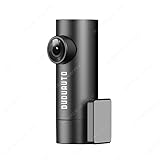
- Please Note:The DUDU DVR only can work with the DUDUAUTO head unit! other android head unit screen can not support.

- Helps assist driver awareness
- Read the vehicle owner's manual for important feature limitations and information
- Some GM Genuine Parts may have formerly appeared as ACDelco GM Original Equipment (OE)
- GM Genuine Parts are designed, engineered and tested to rigorous standards, and are backed by General Motors

- Helps assist driver awareness
- Read the vehicle owner's manual for important feature limitations and information
- Some GM Genuine Parts may have formerly appeared as ACDelco GM Original Equipment (OE)
- GM Engineers design and validate OE parts specifically for your Chevrolet, Buick, GMC, or Cadillac vehicle

- Ideal replacement - this park assist camera directly replaces a damaged or faulty original equipment camera for a dependable repair
- Durable construction - this park assist camera features a high-quality, wide-angle lens for clear resolution and additional electronics protection for reliability in harsh conditions
- Direct installation - this parking camera plugs into the vehicle's wiring using a factory-style connector
- Quality tested - this park assist camera has undergone try-on, on-vehicle, and salt spray testing to ensure quality fit and durability

- Helps assist driver awareness
- Read the vehicle owner's manual for important feature limitations and information
- Some GM Genuine Parts may have formerly appeared as ACDelco GM Original Equipment (OE)
- GM Genuine Parts are designed, engineered and tested to rigorous standards, and are backed by General Motors

- Helps assist driver awareness
- Read the vehicle owner's manual for important feature limitations and information
- Some GM Genuine Parts may have formerly appeared as ACDelco GM Original Equipment (OE)
- GM Genuine Parts are designed, engineered and tested to rigorous standards, and are backed by General Motors
Your Guide to Aftermarket ADAS Systems
Advanced Driver-Assistance Systems (ADAS) are becoming more common in new cars. They help drivers stay safe. But what if your car doesn’t have them? You can add them with an aftermarket ADAS system! This guide helps you choose the best one.
What is an Aftermarket ADAS System?
An aftermarket ADAS system is a set of technologies you can install in a car that didn’t come with them from the factory. These systems use cameras, sensors, and computers to help you drive safer. They can warn you about dangers and even help control the vehicle.
1. Key Features to Look For
When you shop for an aftermarket ADAS system, keep these important features in mind.
Safety First: Essential Functions
- Forward Collision Warning (FCW): This feature warns you if you’re getting too close to the car in front of you. It helps prevent rear-end crashes.
- Lane Departure Warning (LDW): If your car starts to drift out of its lane without you signaling, LDW alerts you. This can prevent accidental lane changes.
- Blind Spot Detection (BSD): This system monitors the areas around your car that you can’t see. It warns you if another vehicle is in your blind spot, making lane changes safer.
- Adaptive Cruise Control (ACC): ACC helps maintain a set speed and distance from the car ahead. It can slow down and speed up automatically.
- Automatic Emergency Braking (AEB): If a collision is about to happen and you don’t react, AEB can automatically apply the brakes to avoid or lessen the impact.
Ease of Use and Integration
- User-Friendly Interface: The system should be easy to understand and control. Simple menus and clear warnings are best.
- Compatibility: Make sure the system works with your car’s make and model.
- Installation: Some systems are easier to install than others. Professional installation is often recommended for complex systems.
2. Important Materials and Components
The quality of the materials used in an ADAS system affects its performance and how long it lasts.
High-Quality Hardware
- Cameras: Look for cameras with good resolution. High-resolution cameras can see details better, even in bad weather or at night.
- Sensors: Radar and lidar sensors are used for detecting objects. Durable sensors can withstand different weather conditions.
- Processing Unit: The “brain” of the system needs to be fast and reliable. A powerful processor ensures quick responses to alerts.
- Wiring and Mounts: Sturdy wiring and secure mounts are crucial for a system to work correctly and safely.
3. Factors Affecting Quality
Several things can make an ADAS system better or worse.
What Makes a System Great
- Accuracy: The system must accurately detect objects and road conditions. False alarms can be annoying, while missed warnings can be dangerous.
- Reliability: The system should work consistently every time you drive.
- Durability: The components should be built to last and withstand vibrations and temperature changes in a car.
- Software Updates: Good systems receive regular software updates. These updates can improve performance and add new features.
What Can Reduce Quality
- Poor Installation: Incorrect installation can lead to the system not working properly or giving false readings.
- Low-Quality Components: Cheap cameras or sensors may not perform well, especially in challenging conditions.
- Outdated Software: Systems without updates may miss new safety improvements or develop bugs.
4. User Experience and Use Cases
How you use the system and how it feels to use it matters.
Making Your Drive Easier and Safer
- Commuting: ADAS features like ACC and FCW can make long commutes less stressful. They help you stay focused on the road.
- Highway Driving: LDW and BSD are very helpful on highways. They alert you to potential hazards when you’re traveling at higher speeds.
- City Driving: AEB and FCW are essential in busy city traffic. They can help prevent accidents in stop-and-go situations.
- Parking: Some systems offer parking assistance features, making it easier to park in tight spots.
A good aftermarket ADAS system can significantly improve your driving safety. By understanding the key features, materials, quality factors, and how to use them, you can make a smart choice for your vehicle.
Frequently Asked Questions about Aftermarket ADAS Systems
Q: What are the main Key Features of an ADAS system?
A: Key features include Forward Collision Warning (FCW), Lane Departure Warning (LDW), Blind Spot Detection (BSD), Adaptive Cruise Control (ACC), and Automatic Emergency Braking (AEB).
Q: What materials are important for ADAS systems?
A: Important materials include high-resolution cameras, durable radar and lidar sensors, a fast processing unit, and sturdy wiring and mounts.
Q: What factors improve the quality of an ADAS system?
A: Quality is improved by accuracy, reliability, durability of components, and regular software updates.
Q: What can reduce the quality of an ADAS system?
A: Poor installation, low-quality components, and outdated software can reduce quality.
Q: How can ADAS systems help with daily driving?
A: They help with commuting by reducing stress, make highway driving safer with lane and blind spot warnings, and prevent accidents in city traffic with automatic braking.
Q: Is it difficult to install an aftermarket ADAS system?
A: Installation difficulty varies. Some systems are designed for easier DIY installation, while others require professional help.
Q: Can I use an aftermarket ADAS system in any car?
A: Compatibility is important. You need to check if the system is designed to work with your car’s make and model.
Q: Will an ADAS system drive the car for me?
A: No, ADAS systems are assistance systems. They warn you and can help control the car in specific situations, but the driver is always responsible for driving.
Q: Do aftermarket ADAS systems work in all weather conditions?
A: Most systems are designed to work in various conditions, but performance might be reduced in very heavy rain, snow, or fog.
Q: Are aftermarket ADAS systems expensive?
A: Prices vary widely depending on the features and brand. Some basic systems are affordable, while more advanced ones can be a significant investment.

Hi, I’m Mallory Crusta, the heart and mind behind LovelyPetSpot.com.. As a passionate pet enthusiast, I created this space to share my experiences, expertise, and love for all things pets. Whether it’s helpful tips, heartfelt stories, or advice for pet parents, my mission is to make the journey of caring for your furry, feathery, or scaly friends as joyful and fulfilling as possible. Join me in celebrating the incredible bond we share with our animal companions!