Imagine the relief of knowing your little one is breathing easily, especially during those precious, quiet moments. For many parents, this peace of mind is priceless. But when it comes to choosing a baby oxygen monitor, that feeling of calm can quickly turn into a bit of worry. It’s a big decision, and the sheer number of choices out there can feel overwhelming. You want the best for your baby, but figuring out which monitor truly offers reliable protection and is easy to use can be a real challenge.
This is why we’re diving deep into the world of baby oxygen monitors. We understand the concerns you have, from accuracy and ease of setup to understanding the different features that matter most. By the end of this post, you’ll feel more confident and prepared to select a monitor that fits your family’s needs. We’ll break down what you need to know, making the process much simpler and helping you find that all-important peace of mind.
Top Baby Oxygen Monitor Recommendations
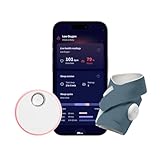
- What is Owlet Dream Sock? Dream Sock is the #1 best selling smart baby monitor *(Source: Circana, 2026) in the US that tracks your baby's pulse rate and oxygen levels in real-time and sends alerts when those readings leave the preset zones, delivering priceless peace of mind so the whole family can sleep better.
- Who should use Owlet Dream Sock? Dream Sock is designed for parents looking for a baby monitor that provides peace of mind and a better night’s rest. It is intended for use with healthy infants 1–18 months (6–30 lbs).
- How will I know if my baby needs me? Receive real-time alerts on the Base Station and your phone if your baby’s readings leave preset zones. This allows you to respond with confidence, knowing you will be notified the moment your baby truly needs your attention.
- Will it help my family sleep better? With 94% of Owlet parents reporting better sleep, peace of mind is the ultimate sleep aid. When you know you will be alerted the moment your baby needs you, you can finally drift off into the deep, uninterrupted rest you deserve. Plus, Owlet offers Predictive Sleep Technology to help you establish healthy routines for the whole family.

- DESIGNED SPECIALLY FOR SMALL FINGERS – Recommended finger thickness for proper use is 0.2-0.6 inch (5-16 mm).
- SIMPLE AND EASY ONE-BUTTON OPERATION – Just put your finger into the chamber and measure your blood oxygen level (SpO2) and Pulse Rate in seconds
- PATENTED MULTI-DIRECTIONAL DISPLAY – Choose from 6 different layout options for convenient viewing of blood oxygen level and pulse measurement. At the push of a button, switch the OLED display into any orientation or configuration you want.
- PLETHYSMOGRAPH – Indicates amount of blood flow for additional accuracy. Includes user manual and troubleshooting steps to ensure reliable reading every time

- What is Owlet Dream Sock? Dream Sock is the #1 best selling smart baby monitor *(Source: Circana, 2026) in the US that tracks your baby's pulse rate and oxygen levels in real-time and sends alerts when those readings leave the preset zones, delivering priceless peace of mind so the whole family can sleep better.
- Who should use Owlet Dream Sock? Dream Sock is designed for parents looking for a baby monitor that provides peace of mind and a better night’s rest. It is intended for use with healthy infants 1–18 months (6–30 lbs).
- How will I know if my baby needs me? Receive real-time alerts on the Base Station and your phone if your baby’s readings leave preset zones. This allows you to respond with confidence, knowing you will be notified the moment your baby truly needs your attention.
- Will it help my family sleep better? With 94% of Owlet parents reporting better sleep, peace of mind is the ultimate sleep aid. When you know you will be alerted the moment your baby needs you, you can finally drift off into the deep, uninterrupted rest you deserve. Plus, Owlet offers Predictive Sleep Technology to help you establish healthy routines for the whole family.

- Medical Grade Accuracy & Fast Readings: This medical grade infant pulse oximeter with wrap-around probe delivers precise SpO2 (±2% accuracy) and pulse rate (±2%/2 bpm accuracy) readings in 8-10 seconds. Suitable as a baby, newborn kid and adult pulse oximeter for at-home spot checks.
- 24/7 Continuous Monitoring & 3-in-1 Alarm: Ideal as a nighttime pulse oximeter for toddlers, it offers all-day tracking. Customize SpO2/heart rate thresholds; 3-in-1 alerts (lights, audio, text) trigger instantly when readings are abnormal.
- 2.4” HD LCD & Long Battery Life: This baby oxygen monitor has a glare-free HD screen for nighttime use. Compact and portable, it runs on AAA batteries for long-lasting use at home or while traveling.
- Intuitive Operation & Adjustable Alerts: Easy-to-use single interface for all ages. Customize alarm ranges; adjustable audio volume (including mute) for quiet nighttime monitoring of newborns and toddlers.

- 【4-in-1 Pulse Oximeter】VOLUETH professional fingertip oximeter adopts advanced microchip technology to deliver accurate readings of oxygen saturation, heart rate, respiratory rate, perfusion index and pulse waveform.
- 【Compact Clip for Slim Fingers 】Designed with a smaller, lightweight finger chamber that comfortably fits slim and petite fingers. The soft medical-grade silicone pad provides a snug, gentle fit without pinching—ideal for the whole family to share at home or on the go.
- 【Easy to Operate】Just put your finger in for measurement, press the button to start, and remove your finger for automatic shutdown. The fingertip oximeter is easy for all users to operate.
- 【OLED Display and Fast Reading】Comes with a high-quality OLED display for clear results. Simply clip the oximeter on your finger, press the power button and wait 8 seconds to accurately monitor SpO2.

- U.S. Version: This model only works in the United States.
- This Model Includes 3 months of Owlet360. This unlocks premium features like personalized daily morning reports, long-term sleep and health trend tracking, and age-based comparisons.
- What is Owlet Dream Sock? Dream Sock is the #1 best selling smart baby monitor *(Source: Circana, 2026) in the US that tracks your baby's pulse rate and oxygen levels in real-time and sends alerts when those readings leave the preset zones, delivering priceless peace of mind so the whole family can sleep better.
- Who should use Owlet Dream Sock? Dream Sock is designed for parents looking for a baby monitor that provides peace of mind and a better night’s rest. It is intended for use with healthy infants 1–18 months (6–30 lbs).

- HANDHELD PULSE OXIMETER - Manhero blood oxygen monitor uses advanced pulse tickle sensor to measure SpO2 and PR more accurately. Continuous baby pulse oximeter measurements will be displayed in about 8-10 seconds. With the SpO2 measuring range of 0~100% and an accuracy of 1%. The PR measuring range is 25~250 bpm, with an accuracy of 1% or 1 bpm
- CONTINUOUS MONITORING WITH SMART ALARM - Manhero pulse oximeter for baby is designed for reliable, 24/7 tracking of blood oxygen (SpO2) and pulse rate. It features a customizable safety alarm — simply set your desired SpO2 and heart rate limits. The Blood oxygen saturation monitor will immediately alert you with a clear, high-decibel alarm the moment readings fall outside your preset range, providing peace of mind through real-time safety prompts
- HD DISPLAY & FLEXIBLE POWER - This handheld pulse oximeter is rechargeable and portable. It features a large HD screen that stays clear even at night, and supports multiple power options (Micro USB, batteries, or plug-in). Fast charging, long battery life — ideal for baby's daily/extended health monitoring
- ROBUST DATA STORAGE - The handheld oxygen monitor holds 500 data sets with continuous monitoring storage. Continuous oxygen monitor easily checks historical readings
Choosing the Best Baby Oxygen Monitor: A Parent’s Guide
Welcoming a new baby is a joyous time. As a parent, you want to ensure your little one is healthy and safe. A baby oxygen monitor can offer peace of mind. This guide will help you understand what to look for.
What is a Baby Oxygen Monitor?
A baby oxygen monitor, also called a pulse oximeter, checks your baby’s oxygen levels and heart rate. It’s a small device that clips onto your baby’s foot or hand. It uses light to measure how much oxygen is in their blood. Some monitors also track breathing. This information can help you spot potential problems early.
Key Features to Look For
When you shop for a baby oxygen monitor, several features are important.
Accurate Readings
The most important thing is accuracy. You want a monitor that reliably shows your baby’s oxygen saturation (SpO2) and pulse rate. Look for devices that are FDA-cleared. This means they have met safety and performance standards.
Ease of Use
The monitor should be simple to put on and take off your baby. The display should be easy to read. Look for clear numbers and simple menus. A loud alarm is also helpful. It will alert you if oxygen levels drop too low or heart rate is too high or low.
Comfort for Baby
The sensor should be soft and comfortable for your baby’s delicate skin. It should not pinch or irritate. Many come with soft wraps or socks to hold the sensor in place gently.
Connectivity and Data Tracking
Some advanced monitors connect to your smartphone via Bluetooth. This allows you to track readings over time. You can see trends and share the data with your doctor. This can be very useful for babies with specific health needs.
Battery Life
Long battery life is essential. You don’t want the monitor to die when you need it most. Rechargeable batteries are a good option. They save money and are better for the environment.
Important Materials
The materials used in a baby oxygen monitor affect its safety and durability.
Hypoallergenic Materials
The part that touches your baby’s skin should be made of hypoallergenic materials. This prevents allergic reactions or rashes. Medical-grade silicone or soft fabrics are common.
Durable Construction
The device itself should be made from sturdy plastic. It needs to withstand occasional bumps or drops. A well-built monitor will last longer.
Factors That Improve or Reduce Quality
Several factors can make a baby oxygen monitor better or worse.
Brand Reputation
Choose brands known for making reliable medical devices. Well-known brands often have better customer support and product testing.
Certifications
Look for FDA clearance or CE marking. These show the product meets strict safety and quality guidelines.
Sensor Design
A good sensor design ensures it stays in place and gets a clear reading. Some sensors are more prone to slipping off, leading to inaccurate data.
Ease of Cleaning
You’ll need to clean the sensor regularly. A design that is easy to wipe down is a plus.
User Experience and Use Cases
How easy is it to use, and when might you need one?
Peace of Mind for Parents
For many parents, the primary use is simply peace of mind. Knowing you can check your baby’s vitals can reduce anxiety, especially for first-time parents.
Monitoring High-Risk Babies
These monitors are crucial for babies born prematurely or those with heart or lung conditions. They help doctors and parents keep a close eye on their health at home.
During Sleep
Some parents use them during sleep to ensure their baby is breathing regularly and has good oxygen levels. This is particularly helpful for babies prone to sleep apnea.
Travel
A portable monitor can be useful when traveling, allowing you to continue monitoring your baby’s health away from home.
Baby Oxygen Monitor FAQs
Q: How often should I check my baby’s oxygen levels?
A: If your doctor recommends it, follow their specific instructions. For general peace of mind, you can check periodically, especially if your baby seems unwell.
Q: Can a baby oxygen monitor replace a doctor’s visit?
A: No, it cannot. A monitor is a tool to gather information. Always consult your pediatrician with any concerns about your baby’s health.
Q: What is a normal oxygen level for a baby?
A: For newborns, normal oxygen saturation is typically between 95% and 100%. Your doctor will give you the specific range for your baby.
Q: Are baby oxygen monitors safe to use?
A: Yes, when used as directed and FDA-cleared, they are safe. The light used is very low intensity.
Q: How do I clean the oxygen monitor sensor?
A: Most sensors can be cleaned with a damp cloth and mild soap, then air-dried. Always check the manufacturer’s instructions.
Q: Can I use a regular adult pulse oximeter on my baby?
A: It’s not recommended. Baby monitors are designed for smaller fingers and toes and provide more accurate readings for infants.
Q: What should I do if the alarm goes off?
A: Stay calm. First, check if the sensor is placed correctly. Then, check your baby’s breathing and color. If you are worried, contact your pediatrician immediately.
Q: Do I need a prescription for a baby oxygen monitor?
A: Many are available over-the-counter. However, if prescribed by a doctor for a medical condition, you might need a prescription.
Q: How long does the battery typically last?
A: Battery life varies by model, but many offer 8-24 hours of continuous use on a single charge.
Q: Can these monitors track breathing?
A: Some advanced models can track breathing patterns in addition to oxygen levels and heart rate.

Hi, I’m Mallory Crusta, the heart and mind behind LovelyPetSpot.com.. As a passionate pet enthusiast, I created this space to share my experiences, expertise, and love for all things pets. Whether it’s helpful tips, heartfelt stories, or advice for pet parents, my mission is to make the journey of caring for your furry, feathery, or scaly friends as joyful and fulfilling as possible. Join me in celebrating the incredible bond we share with our animal companions!