Ever felt your bike slip on loose gravel, making you wish for more grip? Choosing the perfect bicycle tires for gravel riding can feel like navigating a maze. There are so many knobs, widths, and pressures to consider! You want speed on the smooth parts but need confidence when the terrain gets rough. It’s frustrating when the wrong tire slows you down or causes a puncture right when you’re enjoying a ride.
Don’t let tire confusion keep you off the best routes. This guide cuts through the confusion. We will break down exactly what makes a gravel tire great. You will learn how to match your tire choice to your riding style and the roads you tackle most often. Get ready to transform your ride from sketchy to solid!
Top Bicycle Tires For Gravel Recommendations
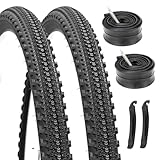
- Race-Ready All-Terrain:This 2-pack gravel tire kit (700x42C) comes with two premium butyl rubber inner tubes and two tire levers, designed for riders who demand traction, stability, and all-condition performance. Whether tackling rough gravel, dirt trails, or urban roads, these tires deliver dependable control and comfort on every ride.
- Aggressive & Efficient Tread Design:The 700x42C tire features a tightly spaced center tread for fast, efficient rolling and open shoulder knobs for superior grip on loose or uneven terrain. The balanced tread pattern ensures consistent traction across hardpack, gravel, and mixed surfaces—ideal for gravel racing, touring, or daily commutes.
- All-Weather Confidence & Stability:Deeper grooves and wider spacing between knobs help shed mud and debris, maintaining steady traction in wet, soft, or variable terrain. The reinforced outer knobs provide predictable cornering and reliable control, even when conditions change mid-ride.
- Extra Cushion & Impact Absorption:Wider 42C tires with optimized lower pressure (recommended 40–70 PSI) effectively absorb bumps, potholes, and vibrations. The result is a smoother, more stable, and comfortable ride over rough roads and long distances—without sacrificing speed or handling.

- 【Package Includes】2 x 700x38c bike tires, 2 x bike inner tubes, 2 x tire levers. The 700c bike tires(ETRTO: 40-622) are compatible with 700x36C 700x37C 700 x 38C 700x39C 700x40C gravel/ road/ city commuter bike tires and 700x35/43C bike tubes. MIN-MAX inflate to 40-65 PSI
- 【Ultra-Durable Construction】: The 700x38c bicycle tires are made of high-quality rubber and reinforced with nylon cord technology—greatly enhancing wear resistance and extending the tire’s service life.No more worrying about frequent punctures or the need for premature replacements.Lightweight bike tires and inner tubes - both foldable for high portability
- 【Special Thread Design】: The tire sidewalls feature an anti-slip tread design, enhancing friction with the ground.The thickened rubber is puncture-resistant and wear-resistant, ensuring a safe riding experience
- 【Shock Reduction Inner Tubes】:The 40-622 700x38c bike tubes are Crafted from thick,strong and highly durable butyl rubber,these inner tubes effectively reduce vibrations and dissipate impacts caused by bumps and rough surfaces on the road or pavement

- A pack of 2 foldable 700x40c bike tires (700 x 40c, ETRTO 42-622, 28x1.60) for 700c and 28 inch wheels. These 700x40 gravel tires suit gravel, road, commuter, hybrid, touring and electric bikes. Check your tire sidewall and match it here.
- Built with a 1mm nylon anti-puncture protection layer that offers extra durability and defense against sharp objects, reducing the risk of flats. Each 700c bike tire weighs 560 grams.
- Made from a premium nylon and rubber compound with a folding kevlar bead for strength and easy fitting, so each kevlar bike tire folds down small for storage, transport or a spare.
- A fast-rolling, high-traction tread delivers a smooth, quick ride on tarmac and pavement, with dependable grip on gravel and uneven surfaces, ideal for all-road and gravel riding.

- Parameters: 700C bike tires 700 X 35C 37-622, MIN-MAX inflate to 50-75 P.S.I. (3.45-5.3BAR/345-525 KPA)
- Practical: The 700x35c tire was designed with densely arranged block pattern of the tire provides better grip, and the ride is comfortable and light, providing a better experience, ideal for urban roads and smooth road riding
- Ultra-durable: The 700x35C bike tire is made of high quality rubber material and nylon cord technology, with strong grip and wear resistance
- New soft wire technology: The tire 700C can be folded, easy to store and carry. After the tire is opened from the folding mode, it is normal that it is relatively soft and can be installed normally. Please note: the steel wire part of the outer tire cannot be completely folded after receiving it, which will lead to uneven installation. If you want to restore the original shape after disassembling, you need to gently fold or roll it according to the received state, and do not overexert!

- Lightweight Foldable Design: 700 x 45c bike tire with aramid bead and 47-622 ETRTO sizing reduce rolling resistance for faster speeds on gravel and touring terrain while maintaining superior durability
- Low-Profile Tread Design: Smooth 700c bicycle tires with 1mm depth delivers low rolling resistance. Directional pattern gravel tires 700c x 45 provides predictable traction during cornering and braking on mixed terrain
- Pressure Range: 40-65 PSI optimal pressure range 700c tire accommodates different rider preferences. Versatile 700 cc tire designed for asphalt roads, city streets, light gravel paths, park trails with consistent performance
- Protection: 700c bike tires with 60 TPI nylon casing and LVL3 anti-puncture layer reduces flat risk on urban debris. aramid bead 700c tires aramid at 675g per tire offers lightweight performance compared to wire bead alternatives
Gravel Bike Tires: Your Complete Buying Guide
Gravel riding is awesome. You ride on pavement, then dirt, then maybe some chunky stuff. Your tires are the most important part of your gravel bike setup. They connect you to the ground. Good tires mean better grip, fewer flats, and more fun. This guide helps you pick the perfect set.
Key Features to Look For
When shopping for gravel tires, focus on these main things. They decide how the tire performs.
Tread Pattern
- Center Tread: This is the middle part. Smooth or small knobs roll fast on roads. Bigger knobs slow you down but grip loose dirt better.
- Side Knobs: These knobs stick out on the edges. You need good side knobs for cornering on loose gravel.
Tire Width (Size)
Gravel tires come in many widths, usually measured in millimeters (mm). Wider tires offer more comfort and grip. Narrower tires roll faster on smooth surfaces.
- 38mm – 42mm: Good for fast gravel roads and mixed-surface rides. A great all-around choice.
- 45mm – 50mm: Best for rougher terrain, mud, and maximum comfort. Make sure your bike frame fits these wider tires!
Tubeless Ready (TLR)
Most modern gravel riders choose tubeless. This means you run the tire without an inner tube, using sealant inside. This setup lets you run lower pressures for better grip and drastically reduces flat tires.
Important Materials Matter
The rubber compound and the tire casing affect how long the tire lasts and how it feels.
Rubber Compound
Tire makers use different rubber mixes. Softer rubber grips better on rocks and roots. Harder rubber lasts longer but might slip more on wet surfaces. Look for dual-compound tires. These often have a harder center strip for speed and softer sides for cornering grip.
Casing (TPI)
The casing is the fabric structure underneath the rubber. It is measured in Threads Per Inch (TPI). Higher TPI numbers (like 120 TPI) mean the casing is more flexible. A flexible casing conforms better to the ground, which improves comfort and grip. Lower TPI casings are tougher against punctures but feel harsh.
Factors That Improve or Reduce Quality
Quality tires balance speed, protection, and grip. Poorly designed tires often fail in one area.
Puncture Protection
This is critical for gravel. Good tires include an extra layer of tough material (like nylon or Kevlar) under the tread. This layer stops glass and sharp stones from piercing the tire. More protection usually means a slightly heavier tire.
Rolling Resistance
This is how hard you have to pedal to keep the tire rolling. Tires with low, tightly packed center knobs have low rolling resistance. Tires with large, widely spaced knobs have high rolling resistance—they slow you down on pavement.
User Experience and Use Cases
Think about where you ride most often. Your ideal tire changes based on your typical route.
The All-Rounder
If you ride 50% pavement and 50% smooth gravel roads, choose a tire with a fast-rolling center tread and small side knobs. These tires keep you quick on the road but ready when you hit the dirt.
The Mud & Rock Specialist
If your rides involve deep mud, loose scree, or sharp rocks, you need aggressive tires. Look for widely spaced, taller knobs. These tires shed mud well. You will feel slower on the pavement, but you will feel safe and in control off-road.
10 FAQs About Gravel Bike Tires
Q: What is the ideal tire pressure for gravel riding?
A: Tire pressure depends on your weight, the terrain, and the tire width. Generally, gravel tires run lower than road tires—often between 25 PSI and 45 PSI. Lower pressure gives more grip.
Q: Can I use my old road tires on gravel?
A: You can, but it is risky. Road tires lack the tough casing and the side knobs needed for stability and puncture protection on dirt.
Q: Do wider tires always mean slower tires?
A: Not necessarily. A wide, well-designed gravel tire can roll just as fast as a narrow, poorly designed one, especially if you run the correct lower pressure.
Q: How often should I replace my gravel tires?
A: If you ride frequently, expect to replace them every 1,500 to 3,000 miles. Watch the center tread; when it wears flat, it is time for new ones.
Q: What is the biggest advantage of going tubeless?
A: The biggest advantage is flat protection. Sealant inside the tire often seals small punctures automatically, and you can safely run lower pressures.
Q: How do I know if my bike fits wider tires?
A: Check your bike frame and fork for clearance. You need at least 3 to 4mm of space between the tire and the frame material all the way around for safety.
Q: What does “slick” mean for a gravel tire?
A: A slick gravel tire has almost no knobs in the center. These are best for hard-packed, dry surfaces where speed is the top priority.
Q: Should I use the same tire front and back?
A: Many riders mix tires. They put a more aggressive, grippier tire on the front (for steering control) and a faster-rolling tire on the back (where most power goes).
Q: Are expensive gravel tires worth the extra cost?
A: Often, yes. More expensive tires use better rubber compounds and higher TPI casings, which give you better grip and a smoother ride quality.
Q: What is the difference between a gravel tire and a cyclocross tire?
A: Cyclocross tires are usually narrower and have very aggressive, tall knobs for racing in mud. Gravel tires are generally wider and built to last longer with better comfort for long rides.

Hi, I’m Mallory Crusta, the heart and mind behind LovelyPetSpot.com.. As a passionate pet enthusiast, I created this space to share my experiences, expertise, and love for all things pets. Whether it’s helpful tips, heartfelt stories, or advice for pet parents, my mission is to make the journey of caring for your furry, feathery, or scaly friends as joyful and fulfilling as possible. Join me in celebrating the incredible bond we share with our animal companions!