Does your tiny Yorkshire Terrier turn their nose up at dinner time? You are not alone! Many Yorkie owners wrestle with finding the perfect food for their little companions. These small dogs have big nutritional needs, and picking the wrong food can lead to picky eating, tummy troubles, or even long-term health issues. It feels overwhelming trying to decode labels and figure out what truly fuels your furry friend.
Choosing the right meal for your Yorkie is crucial for their energy, coat shine, and overall happiness. We understand the frustration of wasting money on kibble they won’t touch or worrying if they are getting everything they need. This guide cuts through the confusion! We will break down exactly what makes a dog food ideal for a Yorkie’s unique size and metabolism.
Keep reading to discover the essential ingredients to look for, the best feeding schedules, and common pitfalls to avoid. By the end, you will feel confident serving up meals that your precious Yorkie will love and thrive on. Let’s dive into making mealtime successful for your little superstar!
Top Food For A Yorkie Recommendations

- Lean muscles supported with high-quality protein
- Balanced energy supported by the right combination of protein, fats, and carbs
- Ideal body weight supported by balanced nutrition
- Healthy digestion supported by easy-to-digest ingredients, including pumpkin

- Small Dog Food Great For Picky Eaters: Cesar Small Breed Dry Dog Food Filet Mignon Flavor with Spring Vegetables Garnish features flavorful, crunchy kibble and tender pieces that are perfect for small mouths and crafted with love
- 100% Complete and Balanced for Adult Dogs: Cesar dog food dry stands alone as a tongue-out tasty meal or can be mixed with wet dog food
- Easy-To-Digest Dry Dog Food Kibble: Get ready for your dog to do their happy dance at mealtime because Cesar Dry Dog Food is easy to digest, but hard for your dog to resist
- 36 Essential Nutrients Small Dogs Need: Made with high-quality ingredients, this dog food small breed supports small dog health with 36 essential nutrients

- Lean muscles supported with high-quality protein
- Balanced energy supported by the right combination of protein, fats, and carbs
- Ideal body weight supported by balanced nutrition
- Healthy digestion supported by easy-to-digest ingredients, including pumpkin

- Royal Canin Yorkshire Terrier Adult 8+ is designed to meet the specific needs of, and support healthy aging in, senior purebred Yorkshire Terriers 8 years and older
- Supports and maintains cellular health with an exclusive combination of antioxidants, and helps deliver an appropriate, 15% lower phosphorus level than Yorkshire Terrier Adult, to help care for your senior Yorkshire Terrier’s kidney health
- Helps maintain a beautiful, luxurious coat by providing omega-3 and -6 fatty acids and biotin
- The kibble has a unique shape, size, texture, and density adapted to the Yorkshire Terrier’s small jaw, is rehydratable, and helps reduce tartar formation by encouraging your aging dog to chew

- High in protein to meet the needs of highly active toy breed dogs
- Real chicken is the first ingredient
- Natural prebiotic fiber nourishes specific intestinal bacteria for digestive health
- Used to be known as FOCUS Toy Breed Formula

- Lean muscles supported with high-quality protein
- Balanced energy supported by the right combination of protein, fats, and carbs
- Ideal body weight supported by balanced nutrition
- Healthy digestion supported by easy-to-digest ingredients, including pumpkin

- Small Dog Food Great For Picky Eaters: Cesar Small Breed Dry Dog Food Filet Mignon Flavor with Spring Vegetables Garnish features flavorful, crunchy kibble and tender pieces that are perfect for small mouths and crafted with love
- 100% Complete and Balanced for Adult Dogs: Cesar dog food dry stands alone as a tongue-out tasty meal or can be mixed with wet dog food
- Easy-To-Digest Dry Dog Food Kibble: Get ready for your dog to do their happy dance at mealtime because Cesar Dry Dog Food is easy to digest, but hard for your dog to resist
- 36 Essential Nutrients Small Dogs Need: Made with high-quality ingredients, this dog food small breed supports small dog health with 36 essential nutrients
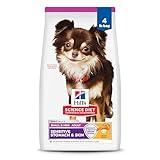
- UPDATED FORMULA: Triple support for stomach, skin and immune system health
- Highly digestible formula with prebiotic fiber that is gentle on the stomach for optimal nutrient absorption
- Enriched with Vitamin E and Omega-3 & 6 fatty acids, for healthy skin and a lustrous coat
- Clinically proven antioxidants, Vitamin C+E, for a healthy immune system
The Ultimate Buying Guide for Food Fit for Your Yorkie
Yorkshire Terriers, or Yorkies, are small dogs with big personalities. They need special food that matches their tiny size and active energy. Choosing the right food keeps your furry friend healthy and happy. This guide helps you pick the best meal for your little companion.
Key Features to Look For
When you shop for Yorkie food, look for specific things on the label. These features make a big difference in your dog’s health.
- Small Kibble Size: Yorkies have small mouths and teeth. They need small, easy-to-chew pieces of kibble. Large pieces can cause choking or make eating hard.
- High-Quality Protein: Protein builds strong muscles. Look for real meat like chicken, lamb, or fish listed as the first ingredient.
- Omega Fatty Acids: Yorkies often have sensitive skin and beautiful, long coats. Omega-3 and Omega-6 fatty acids help keep their skin healthy and their fur shiny.
- Digestive Support: Small breeds can sometimes have sensitive stomachs. Ingredients like prebiotics or probiotics help keep their tummies happy.
Important Ingredients and Materials
The ingredients list tells you exactly what you are feeding your dog. Good ingredients support good health.
What to Seek Out:
- Named Meats: “Chicken” or “Salmon” are great. Avoid vague terms like “meat by-products.”
- Whole Grains or Vegetables: These provide necessary energy and fiber. Think brown rice, sweet potatoes, or peas.
- Natural Preservatives: Good food uses natural preservatives like Vitamin E (mixed tocopherols).
What to Limit or Avoid:
- Artificial Colors and Flavors: Your dog doesn’t need bright colors in its food. These offer no nutritional value.
- Excessive Fillers: Corn or wheat are sometimes used as cheap fillers. While not always bad, too much filler means less space for good nutrients.
- Unknown Animal Fats: Always choose food where the fat source is clearly named.
Factors That Improve or Reduce Quality
The way the food is made affects how well your dog absorbs the nutrients. Quality matters a lot for tiny breeds.
Quality Boosters:
Foods that use high-quality cooking methods often retain more nutrients. Look for brands that focus on balanced nutrition specifically for small breeds. These formulas often have the right balance of calories for their fast metabolisms.
Quality Reducers:
If the food relies heavily on processed grains or if the protein source is unclear, the quality drops. Food that sits on the shelf too long after opening can also lose nutritional value. Always store opened bags tightly sealed in a cool, dry place.
User Experience and Use Cases
Think about your daily routine when choosing a food.
Feeding Times:
For very young puppies, you need a formula specifically for growth. Adult maintenance food works for dogs over one year old. Some owners prefer wet food because it is easier to eat, especially for older Yorkies with bad teeth. Dry kibble, however, helps clean their teeth slightly.
Taste Tests:
Even the healthiest food is useless if your Yorkie won’t eat it! Many reputable brands offer small sample bags. Watch how quickly your dog eats the food. If they leave bits behind, the taste might not be right for them.
Frequently Asked Questions (FAQ) About Yorkie Food
Q: How much food should I feed my adult Yorkie each day?
A: Most adult Yorkies need about 1/4 to 1/2 cup of dry food per day. This amount changes based on their exact weight, age, and activity level. Always follow the feeding chart on your specific food bag first.
Q: Can I feed my Yorkie puppy food even when it’s an adult?
A: No, you should switch from puppy food to adult food around 10 to 12 months old. Puppy food has extra calories and nutrients for rapid growth, which can cause weight gain in an adult dog.
Q: What is the best protein source for a Yorkie?
A: Chicken, turkey, salmon, and lamb are excellent protein sources. Salmon is especially good because it is packed with those healthy Omega fatty acids for their coat.
Q: Why does my Yorkie need special small-breed food?
A: Small breeds have faster metabolisms and need more calories per pound than large dogs. Small-breed formulas also have smaller kibble sizes, which prevents choking.
Q: How often should I change my Yorkie’s food?
A: You should change food only when necessary, like switching from puppy to adult. When you do change, do it slowly over seven to ten days. Mix the old food with the new food gradually to prevent stomach upset.
Q: Is grain-free food better for my Yorkie?
A: Grain-free isn’t always better. If your dog does not have a grain allergy, whole grains provide good energy. If you choose grain-free, make sure the food uses healthy alternatives like sweet potatoes instead of just high amounts of legumes.
Q: What should I do if my Yorkie starts refusing to eat its food?
A: First, check if the food is fresh. If it is, try adding a little warm water or low-sodium broth to soften the kibble. If the refusal lasts more than a day, you must call your veterinarian.
Q: Are dental treats important for Yorkies?
A: Yes, small dogs are prone to dental problems. While dry kibble helps a little, specialized dental chews or regular teeth brushing are very important for preventing plaque buildup.
Q: What ingredients can cause gas or upset stomach in Yorkies?
A: High amounts of dairy, corn, or certain types of beans can often cause gas in sensitive Yorkies. If you notice excessive flatulence, try switching to a limited-ingredient diet to pinpoint the trigger.
Q: Where should I store my Yorkie’s dry food?
A: Keep the dry food in its original bag, tightly sealed, in a cool, dark, and dry place, like a pantry. Do not store it in the refrigerator or freezer, as this can cause condensation and spoil the fats.

Hi, I’m Mallory Crusta, the heart and mind behind LovelyPetSpot.com.. As a passionate pet enthusiast, I created this space to share my experiences, expertise, and love for all things pets. Whether it’s helpful tips, heartfelt stories, or advice for pet parents, my mission is to make the journey of caring for your furry, feathery, or scaly friends as joyful and fulfilling as possible. Join me in celebrating the incredible bond we share with our animal companions!