Have you ever dreamed of hearing your voice sound amazing on a recording, like your favorite singers? It’s a goal many aspiring musicians and podcasters share, but getting that professional sound can feel tricky. One of the biggest hurdles is picking the right “interface” for recording vocals.
Choosing an audio interface can be confusing. There are so many different kinds, and it’s hard to know which one will make your voice sound its best without breaking the bank. You might wonder if you need lots of fancy buttons or if a simpler one will do. Getting this wrong can mean fuzzy recordings or a sound that just doesn’t capture your talent.
But don’t worry! By the end of this post, you’ll understand the important things to look for. We’ll help you cut through the jargon and find an interface that fits your needs and budget. Get ready to make your vocals shine!
Top Interface For Recording Vocals Recommendations

- Plug and Play/Wide Compatibility: This USB audio interface connects easily to your Mac, PC, or mobile device without the need to install complicated drivers. It’s very useful for beginners. In addition, this professional audio interface supports high-speed data transfer and is bus-powered,. No drivers required—just plug it into your laptop to enjoy flexible options for music production
- Studio-Grade 24-bit/192kHz High Fidelity & Elegant Design: With professional resolution sampling rate, This 2 channel audio interface features high-performance converters and capture every nuance. This aesthetic of appearance ensures easy visibility in dimly room . USB-audio interface can ensures more clear recordings and showcase every detail of tracks and compatible with PC & Mac platforms.
- Audio Interface 2 In and 2 Out: The CIXUN guitar interface features 1/4-inch plus Dual XLR/TS inputs and dual stereo outputs, offering comprehensive monitoring flexibility; equips a USB/Direct switch. Its powerful preamps provide up to 100 dB of input gain. This audio interface for Mac also features a HI-Z selector switch, providing clean, ample gain even for the most demanding microphones.
- User-Friendly & 3.5mm Connectivity: This home recording interface is designed specifically for music artists beginners . The direct monitoring feature enables flawless and efficient recording, while the built-in headphone jack ensures compatibility with standard headphones without the need for an adapter. Feature-rich, portable, and ready to use . This ultimate guitar interface is the ideal choice for your home recording system

- PIYONE Plug-and-Play USB C Audio Interface. Experience seamless connectivity with this class-compliant audio interface for Mac and PC. The modern audio interface USB C port handles both high-speed data transfer and bus power, eliminating bulky external power supplies. No drivers are required—simply plug into your laptop and start creating with this portable xlr audio interface.
- Studio-Grade 24-bit/192kHz Fidelity. Capture every nuance with professional resolution and a wide dynamic range. This 2 channel audio interface features high-performance converters that ensure crystal-clear, low-noise recordings. Whether you need an audio interface for PC or mobile, the Q28 delivers the high-fidelity sound required for professional music production.
- Elegant Design with Illuminated Control. Enhance your interface for recording music with signature fixed LED light rings on each gain knob. This premium aesthetic ensures easy visibility in dimly lit studios while adding a modern, professional look to your setup. It’s the perfect blend of style and function for your home recording audio interface.
- Versatile 2 Channel XLR USB Interface. Connect any source with maximum flexibility via two combo jacks. This 2 input audio interface is perfect for recording vocals with a condenser mic or using the Hi-Z input as a guitar interface for PC. With integrated 48V phantom power supply audio interface capabilities, it provides clean, ample gain for even the most demanding microphones.
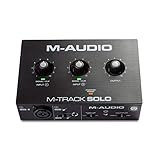
- Podcast, Record, Live Stream, This Portable Audio Interface Covers it All - USB sound card for Mac or PC delivers 48kHz audio resolution for pristine recording every time
- Be ready for anything with this versatile M-AUDIO interface - Record guitar, vocals or line input signals with one combo XLR / Line Input with phantom power and one Line / Instrument input
- Everything you Demand from an Audio Interface for Fuss-Free Monitoring - 1/8" headphone output and stereo RCA outputs for total monitoring flexibility; USB/Direct switch for zero latency monitoring
- Get the best out of your Microphones - M-Track Solo’s transparent Crystal Preamp guarantees optimal sound from all your microphones including condenser mics

- 48V Phantom Power Required – The Maono PM320S professional XLR condenser microphone requires a stable 48V phantom power supply. Simply connect it to your audio interface, mixer, or preamp via the included XLR cable for plug‑and‑play operation, and it delivers pristine studio‑grade sound instantly. Whether you’re using it as a microphone for PC, a vocal microphone for singing, or a recording microphone for music production, the external power ensures consistent, reliable performance every time.
- Studio‑Grade Audio: Built with a large 16mm condenser capsule, this XLR condenser microphone captures extended frequency response and superior transient detail—ideal for studio recording, music production, and vocal tracking. It handles high SPL with ease, making it a versatile recording microphone for podcasting, streaming, vlogging, home studio, and content creation. Whether you're a singer, podcaster, or streamer, this condenser mic delivers broadcast‑quality sound for any application
- Low‑Noise Design for Crystal‑Clear Capture: The cardioid polar pattern effectively rejects off‑axis ambient noise, making it an excellent podcast microphone XLR for untreated rooms, while the integrated shock mount reduces vibration rumble from stands or desks. A pop filter and foam windscreen further tame plosives and saliva noise—perfect for vocal microphone for singing, streaming mic, or recording mic for voice‑over work—so your audio stays clean, immersive, and professionally polished.
- All‑In‑One Studio Kit: Engineered with rugged all‑metal housing, this condenser XLR microphone withstands daily studio use and accidental drops. The adjustable metal boom arm bracket offers stable positioning and folds neatly for easy portability. From podcast setups to music recording, it's the ideal studio microphone for producers, streamers, and vocalists—all at an incredible value, making it the go‑to podcast mic and recording mic for music, vocals, and online content creation
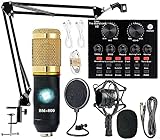
- Professional Podcast Equipment Bundle - The Podcast Equipment Bundle is equipped with BM-800 microphone, Mic adjustable suspension scissor arm stand, Shock mount, Pop filter, Anti-wind foam Cap, Power cable, Live sound card. This professional recording studio package was designed for podcasting, streaming and recording music and short video. What you get is a complete set of professional podcast equipment bundle.
- Excellent Sound Quality - The condenser microphone bundle has been designed with 2021 professional sound chipset, ensuring your voice is captured in high detail. The cardioid pickup pattern is more suitable for recording podcasts, vocals and other voice works. The condenser microphone records the sound source in front of the microphone directly and provides a rich, mellow sound.
- High Compatibility Podcast Kit - The podcast equipment bundle can be used in most mainstream operating systems such as Windows and Mac OS, in addition, the voice changer is compatible with smartphones (Android and IOS). This audio interface can be used on any mobile phone, computer, tablet iPad, PS4, Xbox, Switch and any game platform.
- Functional Recording Studio Package - This voice changer has multiple sound effects. You can connect to different devices (computer/ mobile phone/ laptop) by using different connection methods. Change your voice anytime, anywhere, call with friends, chat on for WeChat, live and sing, take video on TikTok, Youtube, etc. The podcast equipment bundle will bring more fun to you and make your recording more creative.
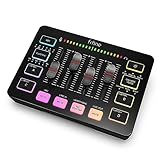
- [XLR Mic Input] One XLR microphone input interface is set on the gaming audio mixer, which is great to up your audio quality with your XLR setup. The XLR mixer is a stepping stone to upgrade your live streaming. Audio mixer offered built-in 48V phantom power which opens up more choices for mics. Directly use it with your condenser microphone but do not solve added peripherals. (NOT available for USB mic)
- [Individual Channel Control] Gaming audio mixer for one mic recording with smooth volume slider fader take your streaming recording to a whole new level with full pleasure. Four independent channels set on the DJ mixer give audio volume of the MICROPHONE, LINE IN, HEADPHONE, and LINE OUT channels individual control. Configurable on the PC audio mixer instead of just operating on your game or streaming software.
- [Mute and Monitor] The front mute and monitor buttons but not at the back, make it easier to get the audio interface use. Ability to mute audio, the audio mixer for streaming prevents background noise from damaging your live broadcast. Real-time feedback between speaking and hearing will not distract your attention, which encourage you to speak more confidently. The sturdy-built control button allow you to operate freely and easily during live streaming.
- [Sound Effects] The computer sound mixer supports four pre-recorded customized button that can be recorded and activated at the press of button to post production. 6 kinds of voice changing modes change your output style. 12 auto tune changes the tone of your voice. The podcast mixer being able to add different and fun effects is a huge bonus for your streaming or game voice.

- 【PLUG AND PLAY】No driver required. The 2X2 USB audio interface is compatible with both Windows and Mac systems — simply connect it to your computer's USB port and you're ready to start recording. It works seamlessly with popular recording software such as Pro Tools, Ableton Live, Cubase, and more
- 【2 IN & 2 OUT AUDIO INTERFACE】Dual XLR/Line combo inputs with 60dB preamp gain and HI-Z switching accommodate both mics and high-impedance instruments. Balanced TRS outputs for speakers plus a dedicated headphone output with separate level control provide complete monitoring flexibility for podcasters and home recordists
- 【PHANTOM POWER】48V Phantom Power for Microphone. The USB audio interface supports 48V phantom power, making it suitable for condenser microphones commonly used in recording and podcasting. The phantom light indicates if the phantom power is on. It is suitable for podcasting and video recording on PC and Mac
- 【VERSATILE FOR MULTIPLE SCENARIOS】Whether you're recording vocals in the studio, live streaming games, or producing podcasts at home, this interface delivers crisp, low-latency audio across all applications. It handles vocals, guitars, and other instruments with ease, and pairs seamlessly with all major recording software

- [Reliable Dual Inputs for Daily Use] This Q-12 audio interface provides professional 16-Bit/48kHz resolution for pristine sound. Unlike others with popping noise, our upgraded chip ensures crystal-clear XLR and 3.5mm inputs for your daily music production.
- [48V Phantom Power & Zero Latency] Capable of driving condenser mics with switchable 48V power. Say goodbye to high latency; this xlr interface features fast transmission rates. Users report seamless vocal tracking without annoying audio delays.
- [Plug and Play] Functioning as a stable audio interface for PC via USB connection. Powered directly from your computer, no external adapter needed. Simply plug in and start your mobile karaoke or on-the-go music creation without extra setup.
- [Budget Starter Equipment & Durable] An ideal audio interface designed for students and beginners building a 2-channel home studio. Unlike fragile alternatives, its solid build ensures long-lasting use for home karaoke and network streaming.
Your Voice, Amplified: A Guide to Choosing the Right Vocal Recording Interface
Are you ready to capture your amazing voice for songs, podcasts, or voiceovers? To do that, you need a special piece of gear called a vocal recording interface. Think of it as a bridge between your microphone and your computer. This guide will help you pick the best one for your needs.
What is a Vocal Recording Interface?
A vocal recording interface is a device that takes the sound from your microphone and turns it into a digital signal your computer can understand. It also lets you hear your recording clearly through headphones or speakers. This makes it a super important tool for anyone serious about recording vocals.
Key Features to Look For
When you’re shopping for a vocal recording interface, keep these important features in mind:
1. Inputs and Outputs
- Number of Inputs: Most singers only need one microphone input. If you plan to record multiple vocalists at once, you’ll need more.
- Phantom Power (+48V): This is a must-have for condenser microphones, which are popular for recording vocals. Make sure your interface has it.
- Headphone Output: You need to hear yourself clearly while you sing. A dedicated headphone jack is essential.
- Line Outputs: These let you connect your interface to studio monitors (speakers) for listening back to your recordings.
2. Sound Quality
- Preamps: These are like the “ears” of your interface. Good preamps capture your voice with clarity and detail. Look for interfaces with clean and quiet preamps.
- Analog-to-Digital (A/D) and Digital-to-Analog (D/A) Converters: These convert your voice from analog (sound waves) to digital (computer data) and back again. Better converters mean a more accurate and natural sound.
3. Connectivity
- USB: Most modern interfaces connect to your computer via USB. USB 2.0 is common, but USB 3.0 or Thunderbolt offer faster speeds, which can be helpful.
- MIDI I/O: If you plan to use MIDI keyboards or controllers, look for an interface with MIDI ports.
4. Latency
Latency is the tiny delay between when you sing and when you hear it back. Low latency is crucial for a smooth recording experience. Most good interfaces have very low latency.
Important Materials
The materials used in an interface can affect its durability and sound. Many interfaces use sturdy metal casings to protect the internal components. High-quality connectors also ensure a reliable connection.
Factors That Improve or Reduce Quality
Several things can make your vocal recordings sound great or not so great:
- Microphone Choice: The microphone you use is just as important as the interface.
- Acoustics: Recording in a quiet room with good acoustics (not too echoey) makes a big difference.
- Interface Preamps: As mentioned, good preamps capture a clean signal.
- Converter Quality: Better converters translate your voice more faithfully.
- Driver Stability: Reliable drivers on your computer prevent glitches and pops.
User Experience and Use Cases
Vocal recording interfaces are designed for a range of users:
- Beginners: Simple, bus-powered USB interfaces are perfect for those just starting out. They plug into your computer and don’t need extra power.
- Home Studio Enthusiasts: These users might want more inputs, better preamps, and more control over their sound.
- Podcasters and Voiceover Artists: Clear, clean audio is key for these professions. A good interface ensures your voice is heard perfectly.
- Musicians: For singers who also play instruments, an interface with multiple inputs is very useful.
Choosing the right vocal recording interface is an exciting step. By understanding these key features and factors, you’ll be well on your way to capturing your best vocal performances!
Frequently Asked Questions (FAQ)
Q: What is the most important feature of a vocal recording interface?
A: The most important feature is the quality of its preamps and converters. They directly affect how clear and natural your voice sounds.
Q: Do I need phantom power for my microphone?
A: You need phantom power if you are using a condenser microphone. Dynamic microphones usually do not require it.
Q: What does “low latency” mean?
A: Low latency means there is almost no delay between when you sing and when you hear it through your headphones. This is important for comfortable recording.
Q: Can I use any microphone with a vocal recording interface?
A: You can use most microphones, but make sure your interface has the right input type (usually XLR) and phantom power if needed for your microphone.
Q: How do I connect the interface to my computer?
A: Most interfaces connect using a USB cable. Some newer ones might use Thunderbolt for faster connections.
Q: What are the benefits of an interface with multiple inputs?
A: If you want to record more than one person or instrument at the same time, you need an interface with multiple inputs.
Q: What is the difference between USB and Thunderbolt interfaces?
A: Thunderbolt interfaces generally offer faster data transfer speeds and can handle more audio channels with lower latency than USB interfaces.
Q: How does the room I record in affect my vocal quality?
A: A room’s acoustics greatly impact sound. A room with less echo and background noise will result in a cleaner vocal recording.
Q: Can a good interface fix a bad microphone?
A: No, a good interface cannot fix a bad microphone. You need both a good microphone and a good interface for the best results.
Q: Where should I plug in my headphones?
A: You should plug your headphones into the headphone output jack on the vocal recording interface to hear yourself and your playback clearly.

Hi, I’m Mallory Crusta, the heart and mind behind LovelyPetSpot.com.. As a passionate pet enthusiast, I created this space to share my experiences, expertise, and love for all things pets. Whether it’s helpful tips, heartfelt stories, or advice for pet parents, my mission is to make the journey of caring for your furry, feathery, or scaly friends as joyful and fulfilling as possible. Join me in celebrating the incredible bond we share with our animal companions!