Ever watched a fish slip away, taking your hopes and your lure with it? That frustrating moment often comes down to one crucial detail: the knot. For many anglers, especially those casting with monofilament line, choosing the right knot feels like navigating a maze. You want a knot that’s strong enough to hold a trophy catch but simple enough to tie quickly on a rocking boat.
The wrong knot can mean lost fish, broken line, and a day of disappointment. It’s a common headache for anglers of all levels. But what if there was a way to tie knots that are both reliable and easy to master? This guide is here to solve that problem for you.
By the end of this post, you’ll understand which knots work best for monofilament and why. We’ll break down the most effective options, showing you how to tie them so you can fish with more confidence. Get ready to say goodbye to knot worries and hello to more successful fishing trips!
Top Knot For Monofilament Fishing Line Recommendations

- STRONG, ULTRA-THIN & LOT-TESTED: At just 0.0138", this 15LB (max 17LB test) clear monofilament is pull-tested every lot for consistent straight and knot strength; the slim profile cuts drag, holds more line on the reel, and sharpens bite detection for longer casts on trout, panfish and light bass. 220 yds (200+20 bonus)
- FREE PRO KNOT GUIDE CARD: Every spool includes a pocket-sized knot guide covering 8 essential fishing knots (Palomar, Clinch, Dropper Loop and more), so beginners learn the basics quickly and seasoned pros tie faster and cleaner; it arrives in a slim, space-saving flat pack that stores easily in any tackle bag
- LOW MEMORY FOR SMOOTH, LONG CASTS: The supple nylon relaxes straight off the spool instead of coiling like a spring, for fewer tangles, clean line lay and effortless distance on spinning and ultralight reels; soft and flexible, it lets small finesse lures move naturally underwater
- NEARLY INVISIBLE CLEAR FINISH: Crystal-clear monofilament disappears in streams, ponds and clear inshore water, so wary trout, crappie, bluegill and perch see the bait, not the line; built for freshwater and light inshore saltwater on ultralight and finesse combos
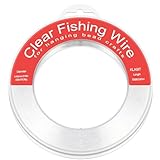
- Monofilament Fishing Line Size: This clear fishing line measures 240 m/788FT length with a 0.45 mm/.018 in diameter, giving you plenty of line for extended use. Strong yet nearly invisible, it’s ideal not only for fishing but also for hanging decorations, DIY crafts, jewelry making, and beading projects.
- Durable Nylon String:Made from high-quality nylon, this line supports up to 43 lbs, providing strong and reliable support for various uses.making it perfect for hanging party decorations, paper lanterns, crystals, and other decorative items without affecting the overall visual appeal.
- invisible string: This expertly designed fishing line is virtually invisible in water, keeping fish unaware of its presence and increasing your catch rate. It’s the ideal choice for anglers seeking a discreet and effective fishing experience.
- Fishing Line for Crafts: This roll is perfect for suspending small artwork, balloons, garlands, ornaments, photo frames, string lights, and Christmas decorations—ideal for use at home, in the office, or outdoors.

- Break Strenth: 30LB/13.6kg, Dia:0.022in/0.55mm, Length: 440yd402m, Color: Clear
- SF mono leader materials feature great shock strength, excellent abrasion resistance, and high knot strength, strong and durable holding power. Perfect for freshwater or saltwater fishing.
- Low memory characteristics. Remains very soft and flexible, better reel capacity for easier handling and casting, fighting hard-charging game fish.
- Premium spool affords quick, tangle-free availability. Smooth casting for maximum manageability, resists twists and kinks.
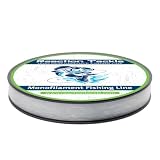
- CONTROLLED STRETCH: Nylon gives under load, which cushions a hookset and keeps treble hooks pinned when a fish surges boatside or a light drag takes a sudden headshake
- LOW MEMORY: Comes off the spool smooth with fewer coils and wind knots, so it lays evenly on spinning, baitcasting and spincast reels and casts cleanly straight off a fresh fill
- EASY KNOTS: Nylon ties and seats reliably with the knots most anglers already use, which makes it a forgiving choice for spooling your own reels and for rods you hand to guests and kids
- ABRASION RESISTANT: Holds up against rock, gravel, timber and dock pilings, and zero water absorption keeps diameter and strength steady through a full day on the water

- 【Superior Abrasion Resistant】Force Monofilament has high abrasion resistance and remarkable knot strength, making it an ideal choice for flipping or casting around rocks, brush and thickets. You can take on a good fishing fight with Force nylon line.
- 【LOW WATER ABSORPTION】 Force Nylon Line absorbs less water, keeping it limp and lighter. Waterlogged line can affect fishing performance. Force, with less water absorption, lets you fish with confidence.
- 【UV Reactive】Force Mono line's yellow colors feature UV reactive properties, making it an excellent choice for anglers fishing in low-light or deep water conditions. Clear Fishing Line's raw materials have a refractive index similar to natural water bodies, so it's nearly invisible in the water, reducing prey alertness because it doesn't noticeably distort light passing through the line, and it's a huge factor in clear water and when targeting skittish fish to bring a new level of fishability.
- 【Ultimate Smooth】Force Mono Line has an advanced smooth surface that allows you to cast farther with very little friction through the rod guides. Easier to handle and cast!
- CONTROLLED STRETCH: Nylon gives under load, which cushions a hookset and keeps treble hooks pinned when a fish surges boatside or a light drag takes a sudden headshake
- LOW MEMORY: Comes off the spool smooth with fewer coils and wind knots, so it lays evenly on spinning, baitcasting and spincast reels and casts cleanly straight off a fresh fill
- EASY KNOTS: Nylon ties and seats reliably with the knots most anglers already use, which makes it a forgiving choice for spooling your own reels and for rods you hand to guests and kids
- ABRASION RESISTANT: Holds up against rock, gravel, timber and dock pilings, and zero water absorption keeps diameter and strength steady through a full day on the water
Choosing the Right Knot for Monofilament Fishing Line: Your Ultimate Guide
Picking the best knot for your monofilament fishing line is super important. A good knot keeps your line from slipping. It helps you catch more fish. This guide will help you find the perfect knot.
Why Knots Matter for Monofilament
Monofilament fishing line is popular. It’s smooth and floats well. But it can also be slippery. This means some knots don’t hold well. They can slip and break. You need knots that grip the line. They need to be strong.
Key Features to Look For in a Fishing Knot
1. Strength and Reliability
The most important thing is that the knot holds. It should not slip under pressure. You want a knot that is strong. It should be as strong as the line itself. A strong knot means a successful catch.
2. Ease of Tying
You don’t want to spend ages tying knots. A good knot is easy to learn. You can tie it quickly. This is helpful when you are fishing. You can tie it even with cold hands.
3. Size and Profile
Some knots are bulky. They can get stuck in your fishing rod guides. A smaller, streamlined knot is better. It passes through the guides easily. This helps you cast further.
4. Knot Strength Retention
When you tie a knot, it weakens the line a little. A good knot keeps most of the line’s original strength. This is called knot strength retention. Aim for knots that keep 80% or more of the line’s strength.
Important Materials and Their Impact
The type of fishing line matters. Monofilament is smooth. This makes it slippery. Some other lines, like braided line, are rougher. They grip knots better. Knots that work for braided line might not work for monofilament. You need knots designed for smooth, slippery lines.
Factors That Improve or Reduce Quality
Factors That Improve Knot Quality
- Proper Tying Technique: Always follow the steps carefully. Wetting the knot before tightening helps. It reduces friction. This makes the knot stronger.
- Using the Right Knot for the Job: Different fishing situations might need different knots. A knot for a light lure might be different from a knot for a heavy sinker.
- Clean Line: Old or damaged line can be weaker. Use fresh, clean fishing line.
Factors That Reduce Knot Quality
- Over-Tightening: Pulling too hard can damage the line. It can weaken the knot.
- Fraying: If the line frays before you tie the knot, it will be weaker.
- Wrong Knot Choice: Using a knot not meant for monofilament is a big mistake.
User Experience and Use Cases
Beginner Anglers
For beginners, simple knots are best. The improved clinch knot is a great choice. It is easy to learn. It holds well for most fishing. You will gain confidence with this knot.
Experienced Anglers
More experienced anglers might try more complex knots. The Palomar knot is very strong. It is also quite easy to tie. It is good for tying lures or swivels. The Uni knot is another good option. It is versatile. You can use it for many things.
Specific Fishing Scenarios
- Lure Fishing: You need a knot that is strong and small. It should not affect the lure’s action. The improved clinch knot or Palomar knot work well here.
- Bottom Fishing: When you are fishing on the bottom, you might use heavier weights. You need a very strong knot. The Uni knot can be a good choice.
- Trolling: Trolling lines need to be super strong. The Palomar knot is often used.
Frequently Asked Questions (FAQ)
Q: What is the best knot for monofilament fishing line?
A: There isn’t one single “best” knot. The improved clinch knot and the Palomar knot are very popular. They are strong and easy to tie. The Uni knot is also a great choice.
Q: Why do knots slip on monofilament?
A: Monofilament line is very smooth. This smoothness makes it slippery. Some knots don’t have enough grip on this smooth surface. They can slide open under pressure.
Q: Should I wet my knot before tightening?
A: Yes! Always wet your knot. Use water or even a little saliva. This reduces friction. It helps the knot cinch down tight. It also makes the knot stronger.
Q: How do I tie an improved clinch knot?
A: You loop the line through the hook eye. Then, wrap the tag end around the standing line several times. Bring the tag end through the first loop you made. Then, bring it through the big loop that formed. Moisten and pull tight.
Q: Is the Palomar knot good for monofilament?
A: Yes, the Palomar knot is excellent for monofilament. It is known for its strength. It is also simple to tie. It’s a favorite among many anglers.
Q: What is knot strength retention?
A: Knot strength retention is how much of the line’s original strength a knot keeps. A good knot will keep a high percentage of the line’s strength. For example, 80% or more.
Q: Can I use the same knot for braided line and monofilament?
A: Not always. Braided line is rougher and grips better. Knots that work well for braided line might slip on monofilament. You need knots specifically good for monofilament’s slipperiness.
Q: How many times should I wrap the line for an improved clinch knot?
A: For most monofilament lines, wrapping 5-7 times is good. If the line is very thin, you might wrap more. If it’s very thick, you might wrap fewer times.
Q: What happens if I don’t tie my knots correctly?
A: If you don’t tie your knots correctly, they can slip. This means you could lose your catch. Or you might lose your lure or weight. It’s important to practice.
Q: Are there any knots that are too hard for beginners?
A: Some knots are more complex. But knots like the improved clinch knot and the Palomar knot are generally considered easy to learn. Start with those.

Hi, I’m Mallory Crusta, the heart and mind behind LovelyPetSpot.com.. As a passionate pet enthusiast, I created this space to share my experiences, expertise, and love for all things pets. Whether it’s helpful tips, heartfelt stories, or advice for pet parents, my mission is to make the journey of caring for your furry, feathery, or scaly friends as joyful and fulfilling as possible. Join me in celebrating the incredible bond we share with our animal companions!