Does your red eared slider look a little…ordinary? You might be wondering if their diet is the reason. Choosing the perfect food for your shelled friend can feel like a puzzle. There are so many brands and types, and you want to make sure you’re giving them the very best. It’s tough to know what’s truly healthy and what’s just a marketing ploy.
Picking the wrong food can lead to health problems for your turtle, like shell rot or stunted growth. You want your red eared slider to be happy, active, and live a long, healthy life. That’s where this guide comes in! We’ll break down what makes good turtle food and help you understand exactly what your red eared slider needs to thrive.
By the end of this post, you’ll feel confident in your ability to choose the ideal food that will keep your red eared slider swimming with energy and looking their vibrant best. Let’s dive into the world of delicious and nutritious meals for your favorite aquatic pet.
Top Turtle Food For Red Eared Slider Recommendations

- Freeze-Dried Insects: Perfect Blend of Freeze-Dried Shrimp, Freeze-Dried Meal worms, and Vitamin Fortified Pellets for both juvenile and adult aquatic turtles
- Balanced Meal: Complete nutritional variety in one jar.
- Floating Pellets: Vitamin-enriched pellets, with a unique texture that makes feeding easier for you and your turtles.
- Clean Environment: Does not cloud the water with proper feeding.

- Vitamin Enriched Formula That Provides Essential Proteins, Fats, Vitamins And Minerals
- Blend Of River Shrimp, Mealworms And Crickets That Have Been Freeze-Dried To Maintain Optimal Nutrition And Flavor
- Convenient Way To Feed Your Pet Natural Prey Without The Hassle Of Dealing With Live Prey Items
- For Juvenile And Adult Aquatic Turtles, Also Great For Large Tropical Fish

- Item Length: 3.85 Inches
- Item Width: 3.85 Inches
- Age Range Description: Adult
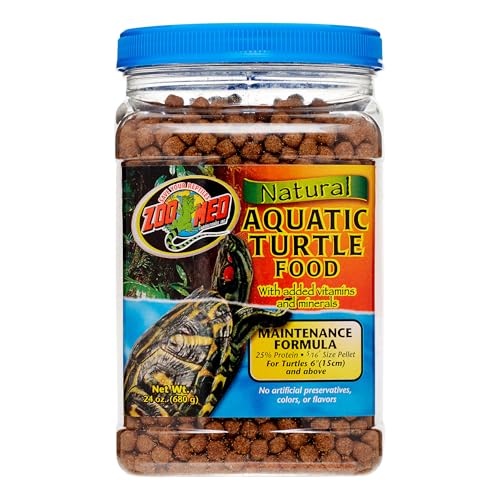
- No artificial colors or preservatives
- For Turtles over 6" 5/16" pellets
- 25% protein

- Nutritionally complete - No vitamin or mineral supplements required
- Complete life cycle diet – Can be fed to baby turtles through adult turtles
- Floating round pellet - Creates a natural feeding environment
- High level of fish and animal protein - Meets the needs of carnivorous species

- Natural Aquatic Turtle Food (micro pellet) - Hatchling Formula, 43% protein
- Scientifically formulated to meet the dietary requirements of aquatic turtles at each of their life stages
- Our pellets float making it easier for aquatic turtles, who prefer eating at the water surface, to locate their food
- A specially formulated floating pellet food for hatchling and juvenile aquatic turtles

- Low-protein floating pellet food for turtles
- Great for most aquatic turtles like red ear sliders, painted, spotted, Asian, aquatic box type, and sidenecks
- Lower protein levels for proper shell development and healthy internal organs
- Made in the USA
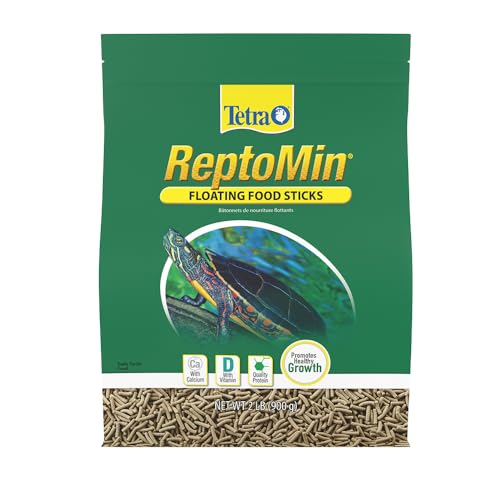
- FOR AQUATIC TURTLES, NEWTS AND FROGS: Specifically formulated for aquatic turtles, newts and frogs
- WITH CALCIUM AND VITAMIN C: With calcium and nutrients to support healthy growth, plus vitamin C
- QUALITY PROTEIN: Quality protein with no artificial flavors added
- FOR DAILY FEEDING: Feed up to two times daily, only as much as your pet can consume within three minutes.
Choosing the Best Turtle Food for Your Red-Eared Slider
Red-eared sliders are amazing pets! They are lively and fun to watch. Giving them the right food helps them stay healthy and happy. This guide will help you pick the best food for your shelled friend.
Key Features to Look For
Nutritional Balance is Crucial
The most important thing is that the food has a good mix of nutrients. Young sliders need more protein for growth. Adult sliders need less protein and more calcium. Look for foods that list protein, fat, fiber, and calcium clearly on the package.
Pellet Size Matters
Turtle food comes in different sizes. Choose pellets that are small enough for your slider to eat easily. If the pellets are too big, your turtle might struggle to chew them or even choke. For baby turtles, small pellets are best. Larger turtles can handle bigger pieces.
Digestibility is Key
You want food that your turtle can digest well. This means fewer messy tanks and a healthier turtle. Foods with natural ingredients are usually easier to digest.
Important Materials in Turtle Food
Protein Sources
Good turtle foods get their protein from things like fish meal, shrimp meal, or insect meal. These give your slider the building blocks it needs to grow strong. Avoid foods that list “meat by-products” as the main ingredient, as these can be less nutritious.
Vitamins and Minerals
Vitamins A, D3, and E are very important. Vitamin D3 helps your turtle use calcium. Calcium is vital for strong shells and bones. Other minerals like phosphorus are also necessary. Many good foods add these to their mix.
Carotenoids
These are natural pigments that give some foods their color. They can also act as antioxidants, which help protect your turtle’s cells. Look for foods with ingredients like spirulina or paprika, which are good sources.
Factors That Improve or Reduce Quality
What Makes Food Great
- High-quality protein sources: Like real fish or shrimp.
- Added vitamins and minerals: Especially calcium and vitamin D3.
- Natural ingredients: Fewer artificial colors and preservatives.
- Good pellet size: Easy for your turtle to eat.
What Makes Food Less Good
- Low protein content: Especially for young, growing turtles.
- Artificial colors and flavors: These don’t help your turtle and can be bad for them.
- Lots of fillers: Ingredients like corn or wheat that don’t offer much nutrition.
- Unpleasant smell or texture: Your turtle might refuse to eat it.
User Experience and Use Cases
Feeding Your Baby Slider
Baby red-eared sliders are growing fast. They need food with about 35-45% protein. Many brands make “baby turtle” or “growth formula” foods. These are perfect for young turtles.
Feeding Your Adult Slider
As your slider gets older, its protein needs go down. Adult turtles need food with about 25-30% protein. They also need more calcium and fewer fats. You can switch to an “adult turtle” formula or a good quality commercial pellet.
Variety is the Spice of Life
Even with the best food, it’s good to offer variety. You can supplement their diet with small amounts of leafy greens like romaine lettuce or dandelion greens. Small pieces of cooked shrimp or fish can also be a treat. But remember, the main part of their diet should be a good quality commercial turtle food.
When to Worry
If your turtle seems uninterested in food, has a dull shell, or seems weak, it might be a sign of a poor diet. Always consult a vet if you have concerns about your turtle’s health.
Frequently Asked Questions (FAQ) for Red-Eared Slider Turtle Food
Q: What is the best food for a red-eared slider?
A: The best food is a high-quality commercial turtle pellet specifically made for aquatic turtles. It should have balanced nutrition, the right pellet size, and good protein content for your turtle’s age.
Q: How often should I feed my red-eared slider?
A: Young turtles (under one year) should be fed daily. Adult turtles can be fed every other day. Only give them as much food as they can eat in about 5-10 minutes.
Q: Can I feed my red-eared slider human food?
A: It’s best to avoid most human food. Some vegetables like romaine lettuce are okay in small amounts. However, processed foods, dairy, and fatty meats are very bad for turtles.
Q: What are the signs of a good turtle food?
A: A good turtle food will have recognizable protein sources listed first, added vitamins and minerals, and no artificial colors or flavors.
Q: My turtle isn’t eating. What should I do?
A: Check the water temperature. Turtles need warm water to digest food. Make sure the food is fresh. If your turtle continues to refuse food, consult a veterinarian.
Q: How much protein does a baby red-eared slider need?
A: Baby red-eared sliders need a diet that is about 35-45% protein to support their rapid growth.
Q: How much protein does an adult red-eared slider need?
A: Adult red-eared sliders need a diet that is about 25-30% protein. Their growth slows down, so they need less protein.
Q: Can I feed my turtle fish flakes?
A: Fish flakes are not a complete diet for turtles. They lack the necessary calcium and other nutrients that turtles need. They can be given as an occasional treat, but not as a staple food.
Q: How long does turtle food last?
A: Unopened turtle food usually lasts for about two years. Once opened, it’s best to use it within six months to a year for maximum freshness and nutrient content.
Q: Should I add calcium to my turtle’s diet?
A: Most good quality commercial turtle foods already contain enough calcium. However, if you notice shell problems or your vet recommends it, you can use a calcium supplement or offer cuttlebone.

Hi, I’m Mallory Crusta, the heart and mind behind LovelyPetSpot.com.. As a passionate pet enthusiast, I created this space to share my experiences, expertise, and love for all things pets. Whether it’s helpful tips, heartfelt stories, or advice for pet parents, my mission is to make the journey of caring for your furry, feathery, or scaly friends as joyful and fulfilling as possible. Join me in celebrating the incredible bond we share with our animal companions!