Ever driven past a freshly paved road and ended up with sticky, black tar splattered all over your car? It’s a frustrating sight, isn’t it? That tar can look awful and feel even worse, clinging stubbornly to your paint and making your ride less than perfect.
Choosing the best way to get rid of tar can be tricky. You want something that works fast and doesn’t damage your car’s finish. There are so many products and methods out there, it’s easy to feel overwhelmed and unsure of what to try first. Some might seem too harsh, while others might not be strong enough.
But don’t worry! This post will guide you through the best and safest ways to tackle tar. You’ll learn what tools and cleaners work best, and how to use them to get your car looking spotless again. We’ll break it down so you can pick the right method for your situation.
Ready to say goodbye to tar stains and hello to a clean car? Let’s dive into the effective ways to remove tar from your vehicle.
Top Way To Remove Tar From Vehicle Recommendations
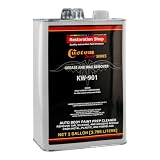
- KW901 - Grease and Wax Remover is a fast acting and effective product designed to dissolve and loosen surface contaminants commonly found on painted surfaces such as Grease, Wax, Tar, Adhesive Residue, Tree Sap, and Silicones and enables these contaminants to be easy picked up and removed by wiping away from the surface to be painted.
- 1 Gallon Can of KW901 - Grease and Wax Remover Surface Prep Cleaner - Use before any bodywork or painting operation to assure a clean quality surface. Promotes maximum paint adhesion. Dries quickly with no residue
- KW901 - Grease and Wax Remover works on painted surfaces, metal, plastic, Epoxy and fiberglass. It's Great for use before and after sanding. Leaves the surface clean and ready for topcoat application
- Use with clean lint free wiping cloths, use a separate wet cloth and a separate removal cloth. Great as an anti-Static, Anti-Silicone panel Wipe before Painting

- KW901 - Grease and Wax Remover is a fast acting and effective product designed to dissolve and loosen surface contaminants commonly found on painted surfaces such as Grease, Wax,Tar, Adhesive Residue, Tree Sap, and Silicones and enables these contaminants to be easy picked up and removed by wiping away from the surface to be painted.
- 1 Quart Can of KW901 - Grease and Wax Remover Surface Prep Cleaner - Use before any bodywork or painting operation to assure a clean quality surface. Promotes maximum paint adhesion. Dries quickly with no residue
- KW901 - Grease and Wax Remover works on painted surfaces, metal, plastic, Epoxy and fiberglass. It's Great for use before and after sanding. Leaves the surface clean and ready for topcoat application
- Use with clean lint free wiping cloths, use a separate wet cloth and a separate removal cloth. Great as an anti-Static, Anti-Silicone panel Wipe before Painting

- ADHESIVE REMOVAL MADE EASY: Lift Off Adhesive Remover uses a patented, water-based formula that will remove pinstriping, bumper stickers, spray adhesives, tar, sap, and more.
- AUTO FRIENDLY: Safe for automotive paint and finishes. Use on vehicles, RVs, boats, vinyl, metal, concrete, fiberglass, and more.
- EASY CLEANUP: Lift Off Adhesive Remover works its way under the sticky adhesive and lifts away from the surface to break the bond allowing tape, labels, and residues to be removed and disposed of easily.
- SAFER ALTERNATIVE TO HARSH CHEMICALS: Using Lift Off Adhesive Remover is safer than using harsh chemicals like Methylene Chloride and NMP.
Your Car’s Best Friend: A Guide to Removing Tar
Nobody likes finding tar splatters on their shiny car. It’s sticky, unsightly, and can be tough to get off. But don’t worry! This guide will help you choose the best way to banish that tar and keep your vehicle looking its best.
Key Features to Look For
When you’re shopping for a tar remover, keep these important features in mind.
Effectiveness
The most important thing is that it actually works! Good tar removers will quickly break down and lift sticky tar spots. Look for products that promise quick action and don’t require a lot of scrubbing. Some removers are designed for tough, baked-on tar, while others are for fresh splatters. Read the labels carefully.
Safety for Paint
You want to remove tar, not damage your car’s paint job! Make sure the product is safe for automotive paint. Most good removers will say they are “clear coat safe” or “paint safe.” Avoid anything that smells too harsh or has strong warnings about paint damage.
Ease of Use
Simple is best. You shouldn’t need a chemistry degree to use a tar remover. Look for spray bottles with easy-to-aim nozzles. Products that you can spray on, let sit for a few minutes, and then wipe off are usually the easiest to use. Some might require a little gentle rubbing, but it shouldn’t feel like you’re sanding your car.
Scent
Some tar removers have strong chemical smells. While this isn’t a deal-breaker for everyone, a milder scent can make the job more pleasant. Some products even have pleasant, fresh scents.
Important Materials
What’s inside these tar removers?
Solvents
These are the workhorses. Solvents are chemicals that dissolve sticky things like tar. Common solvents include petroleum distillates or citrus-based ingredients. Citrus-based removers are often seen as more natural and less harsh.
Cleaning Agents
Besides solvents, these products often have other cleaning agents to help lift dirt and grime along with the tar. These help make the tar removal process more thorough.
Lubricants
Some removers include lubricants. These help the cleaning cloth glide smoothly over the surface, reducing the chance of scratching the paint as you wipe away the tar.
Factors That Improve or Reduce Quality
Not all tar removers are created equal.
Concentration
A more concentrated formula might work faster and require less product. However, highly concentrated products can sometimes be harsher on paint if not used carefully.
Brand Reputation
Well-known car care brands often have a track record of making reliable products. Reading reviews from other car owners can give you a good idea of a product’s quality.
Ingredients List
A clear and understandable ingredients list is a good sign. If a product is vague about what’s inside, it might be less trustworthy.
Shelf Life
Some removers can lose their effectiveness over time. If you buy a large bottle, make sure it has a decent shelf life.
User Experience and Use Cases
How do people use these products, and what are they like to use?
Simple Spray and Wipe
The most common way to use a tar remover is to spray it directly onto the tar spot. Let it sit for a minute or two. Then, gently wipe the area with a clean microfiber cloth. The tar should come right off. This works great for fresh tar splatters from a recent drive.
Tackling Stubborn Spots
For older, hardened tar, you might need to apply the remover, let it sit a bit longer, and then use a soft-bristled brush or a clay bar. A clay bar is a special product used in car detailing to remove contaminants from the paint surface. Always be gentle when using these methods.
Multiple Applications
Sometimes, a tough spot might need a second application. Don’t get discouraged if it doesn’t all come off the first time. Just reapply the remover and repeat the wiping process.
Post-Removal Care
After you remove the tar, it’s a good idea to wash and wax that area of your car. This will help protect your paint and keep it looking shiny.
Frequently Asked Questions About Removing Tar from Your Vehicle
Q: What is the best way to remove tar from a car?
A: The best way is to use a dedicated car tar remover spray. You spray it on, let it sit, and wipe it off with a microfiber cloth.
Q: Can I use household cleaners to remove tar?
A: It’s risky. Household cleaners can be too harsh and might damage your car’s paint. Stick to products made for cars.
Q: How long should I let the tar remover sit on the car?
A: Usually, 1-5 minutes is enough. Check the product’s instructions for the exact time.
Q: What should I do after removing the tar?
A: Wash the area with car soap and water, then apply a coat of wax to protect the paint.
Q: Is tar remover safe for all car paint types?
A: Most are safe for modern car paint, but always check the label to ensure it’s “clear coat safe” or “paint safe.”
Q: How do I remove tar from a car windshield?
A: You can use a tar remover on the windshield, but be careful not to get it on rubber seals. Follow the same spray and wipe method.
Q: What if the tar is really old and hard?
A: For tough, old tar, you might need to apply the remover, let it soak longer, and gently use a clay bar or a soft brush.
Q: Can tar removers also remove bug splatters?
A: Some tar removers are also effective at breaking down bug residue. It’s often a bonus feature.
Q: How often should I check my car for tar?
A: It’s good to check after long drives, especially on country roads or after recent road construction.
Q: Where can I buy car tar remover?
A: You can find them at auto parts stores, online retailers, and some big-box stores with automotive sections.

Hi, I’m Mallory Crusta, the heart and mind behind LovelyPetSpot.com.. As a passionate pet enthusiast, I created this space to share my experiences, expertise, and love for all things pets. Whether it’s helpful tips, heartfelt stories, or advice for pet parents, my mission is to make the journey of caring for your furry, feathery, or scaly friends as joyful and fulfilling as possible. Join me in celebrating the incredible bond we share with our animal companions!