Remember those endless drills, the flashcards that felt like a never-ending game of “hot potato,” and the sheer panic when a teacher called on you? For many of us, mastering multiplication tables felt like climbing Mount Everest. It’s a foundational skill, yet finding the *right* way to teach it can be a real headache for parents and educators alike. The sheer volume of methods, from rote memorization to gamified apps, can leave you feeling overwhelmed and unsure of what will truly stick.
The truth is, not all approaches work for every child. Some kids thrive with repetition, while others need a more visual or interactive experience. Choosing the wrong method can lead to frustration for both the student and the teacher, creating a roadblock in their mathematical journey. But what if there was a way to make multiplication tables engaging, effective, and even enjoyable?
In this post, we’re going to explore a variety of proven strategies that cut through the noise. You’ll discover practical, hands-on techniques that build understanding, boost confidence, and turn those tricky times tables into a source of pride, not stress. Get ready to unlock a more effective and enjoyable path to multiplication mastery.
Top Way To Teach Multiplication Tables Recommendations

- Our multiplication machine puts fun math practice right at kids’ fingertips
- Self-directing machine is totally self-checking--great for independent, skill-building practice
- Great for teaching and reinforcing multiplication with numbers 1-9
- For ages 7-11 years


- Satisfaction Ensured
- Design is stylish and innovative.
- Functionality that is Unbeatable.
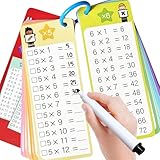
- What Including: 15 multiplication flash cards (0-12), 2 black and red markers, 2 binder rings. Design with Dual-Colored Markers for Kids' Self-Learning and Confidence Boost!
- High Quality and Durable: Our times table flash cards are crafted from thickened cardboard and feature a laminated design, can easily be wiped clean and reused. The surface is coated with a bright, waterproof film that prevents fading and tearing, making them ideal for frequent and long-lasting use
- Easy to use and Interactive Learning: Make double-sided printing, The front side is problems, back side is answer, encourages self-learning and builds confidence for kids while keeping the process fun and interactive in multiplication
- Portable and Compact: Our multiplication chart measure 2.81x7.10inches, Round-edged design, ensure safety and avoid scratching, easy to carry practice their times table chart anytime, anywhere and perfect for learning in travel

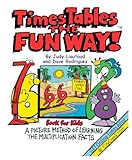

- Golden Scholar Club redemption code
- 55 Problem Cards made of thick, durable cardstock
- Parent Card with usage tips
- 110 multiplication problems from 0 x 0 to 12 x 12

Mastering Multiplication: Your Guide to the Best Teaching Tools
Learning multiplication tables is a crucial step for students. It builds a strong foundation for more advanced math. Finding the right tool can make this learning process fun and effective. This guide helps you choose the perfect resource for teaching multiplication.
Key Features to Look For
When shopping for multiplication teaching materials, several features stand out.
Engaging and Interactive Content
- Games and Activities: Look for products that use games, puzzles, or challenges. These make learning feel less like work and more like play.
- Visual Aids: Colorful charts, flashcards with pictures, or online animations help students visualize the math.
- Progress Tracking: Features that let you see how a student is doing are valuable. This helps identify areas needing more practice.
Adaptability and Progression
- Different Learning Styles: The best tools cater to visual, auditory, and kinesthetic learners. Some might offer songs, while others focus on hands-on activities.
- Gradual Difficulty: The material should start with easier concepts (like multiplying by 2s and 5s) and gradually introduce more challenging ones (like 7s, 8s, and 9s).
Durability and Longevity
- High-Quality Materials: If you’re buying physical items, ensure they are made from sturdy stuff. This means thick cardstock for flashcards or durable plastic for manipulative tools.
- Repeatability: Can the resource be used again and again? This is important for practicing over time or for multiple children.
Important Materials
The materials used in multiplication teaching tools directly impact their effectiveness and lifespan.
Physical Products
- Cardstock and Paper: For flashcards, worksheets, and charts, thick, laminated cardstock is best. It resists tearing and bending.
- Wood or Durable Plastic: For manipulative tools like blocks or multiplication boards, these materials offer good tactile experience and last longer.
Digital Products
- Software and Apps: These often feature animated characters, sound effects, and interactive exercises. Ensure they are user-friendly and have clear instructions.
- Online Platforms: Websites offering games and lessons should be well-organized and load quickly.
Factors That Improve or Reduce Quality
Certain elements can make a teaching tool excellent or less than ideal.
Improving Quality
- Clear Explanations: Simple, step-by-step instructions are vital.
- Positive Reinforcement: Rewards, encouraging messages, and celebrating small wins boost confidence.
- Real-World Examples: Showing how multiplication is used in everyday life makes it more relevant.
Reducing Quality
- Overly Complex Instructions: If a child (or parent) can’t understand how to use it, it won’t be effective.
- Boring Repetition: Endless, unvaried drills can lead to frustration and disinterest.
- Poor Design: Cluttered layouts or distracting graphics can hinder focus.
User Experience and Use Cases
How a product feels to use and where it fits into learning are critical considerations.
Ease of Use
- Intuitive Design: Whether physical or digital, the tool should be easy for children to navigate and understand independently or with minimal help.
- Setup: Quick and simple setup means more time for learning and less time wrestling with instructions.
Use Cases
- Classroom Learning: Teachers can use these tools for whole-class instruction, small group work, or individual practice.
- Homeschooling: Parents can find comprehensive resources to build a strong math curriculum at home.
- Tutoring: Tutors can use specific tools to target areas where a student struggles.
- Homework Help: Students can use these resources to reinforce what they learned in school.
- Summer Learning: Prevent the “summer slide” by keeping math skills sharp during breaks.
Frequently Asked Questions (FAQ)
Q: What are the main Key Features to look for in a multiplication teaching tool?
A: Key features include engaging and interactive content like games and visual aids, adaptability for different learning styles, and gradual progression in difficulty. Progress tracking is also a valuable feature.
Q: What are some important materials that make a multiplication teaching tool high quality?
A: For physical products, durable materials like laminated cardstock, wood, or sturdy plastic are important. For digital products, user-friendly software and well-designed online platforms are key.
Q: How do factors like clear explanations and positive reinforcement improve the quality of a teaching tool?
A: Clear explanations make the learning process understandable. Positive reinforcement, like rewards and encouraging messages, boosts a child’s confidence and motivation, making them more receptive to learning.
Q: What kind of user experience should I expect from a good multiplication teaching tool?
A: A good tool offers an intuitive design that is easy for children to use. It should require minimal setup so learning can begin quickly.
Q: Can these teaching tools be used for different age groups or skill levels?
A: Many excellent tools are designed to be adaptable. They often start with basic concepts and can be adjusted for more advanced learners, catering to a range of ages and skill levels.
Q: What are some common use cases for multiplication teaching tools outside of a traditional classroom?
A: These tools are perfect for homeschooling, one-on-one tutoring, homework assistance, and even for keeping skills sharp during school breaks like summer vacation.
Q: Are there any specific types of games or activities that are particularly effective for learning multiplication tables?
A: Yes, games that involve matching, memory challenges, or timed drills can be very effective. Activities that require students to apply multiplication in simple problem-solving scenarios also help.
Q: How can I tell if a digital multiplication teaching tool is reliable and safe for my child?
A: Look for reviews from other parents or educators. Ensure the platform has clear privacy policies and avoids excessive advertising or in-app purchases. Reputable educational app stores are a good starting point.
Q: What is the difference between a physical product and a digital product for teaching multiplication?
A: Physical products offer a tactile learning experience with tangible items like flashcards or blocks. Digital products often provide interactive features, animations, and immediate feedback, which can be highly engaging.
Q: How long does it typically take for a child to master multiplication tables using these tools?
A: The time varies greatly depending on the child, the tool used, and the amount of practice. Consistent, short practice sessions are generally more effective than infrequent, long ones. Most children can master the tables within a few weeks to a few months with regular effort.

Hi, I’m Mallory Crusta, the heart and mind behind LovelyPetSpot.com.. As a passionate pet enthusiast, I created this space to share my experiences, expertise, and love for all things pets. Whether it’s helpful tips, heartfelt stories, or advice for pet parents, my mission is to make the journey of caring for your furry, feathery, or scaly friends as joyful and fulfilling as possible. Join me in celebrating the incredible bond we share with our animal companions!