As an Amazon Associate I earn from qualifying purchases.
Dry, thick calluses and cracked heels need more than a basic body lotion. The right Cream For Foot Calluses can soften rough skin while adding the moisture your feet lose through daily wear.
Look at the exfoliating ingredients and their strength, but also consider the format. An ointment suits targeted overnight care, while a fast-absorbing lotion or stick may fit better into your daytime routine.
We selected these five products for distinct approaches to foot care, including urea-based formulas, chemical exfoliation, rich repair ointments, everyday conditioning, and portable application.
This guide covers the key differences between each pick so you can match the formula and format to your calluses, cracked heels, and preferred routine.
Our Top 5 Cream For Foot Calluses Picks at a Glance
| Product | ||
|---|---|---|
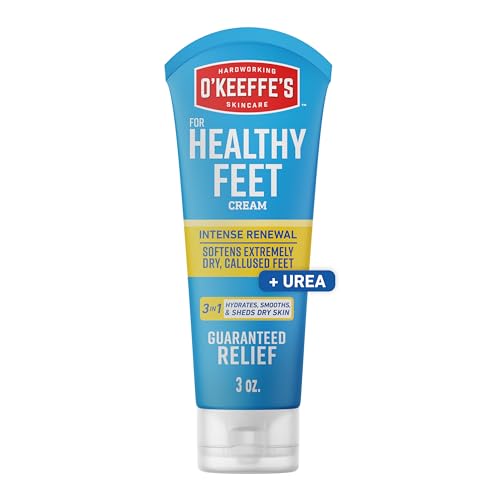 |
O’Keeffe’s Healthy Feet Cream Severe calluses and dry feet |
Check Price |
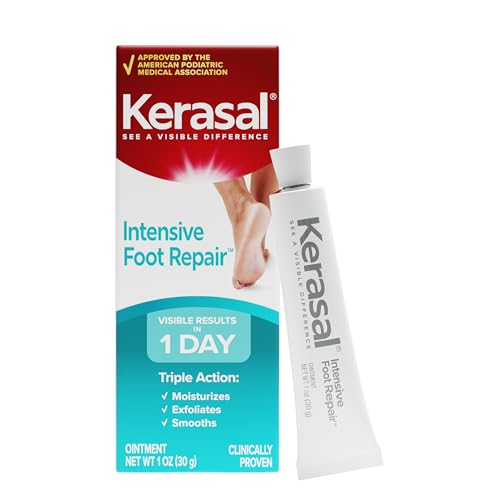 |
Kerasal Intensive Foot Repair Ointment Cracked heels needing targeted care |
Check Price |
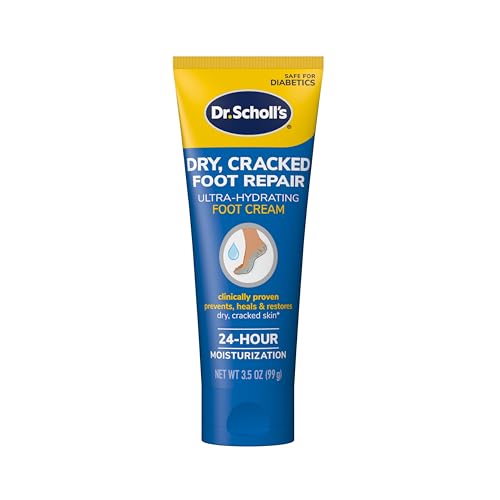 |
Dr. Scholl’s 25% Urea Foot Cream Regular dry-foot maintenance |
Check Price |
 |
Gold Bond Softening Foot Cream Everyday softening and conditioning |
Check Price |
 |
flasture 60% Urea Cream Stick Portable, mess-free application |
Check Price |
Top 5 Foot Callus Creams: Detailed Reviews
1. O’Keeffe’s Healthy Feet Cream
O’Keeffe’s Healthy Feet Cream is an intensive treatment for extremely callused, dry, or cracked feet. Its combination of alpha hydroxy acid, urea, and shea butter chemically exfoliates, smooths, and moisturizes rough skin while helping create a barrier against moisture loss. The formula is non-greasy, hypoallergenic, and includes cooling peppermint oil. Apply it at bedtime and after bathing, when moisturizing is most effective. The 3-ounce tube is travel-friendly, and the brand says it provides softer feet in one use and 48 hours of hydration, making this a strong Cream For Foot Calluses option.
What We Like:
- The AHA, urea, and shea butter formula tackles roughness and dryness together.
- It is designed for extremely callused, cracked feet rather than basic surface hydration.
- The non-greasy texture should feel more comfortable under socks.
- Bedtime and post-bath use makes it easy to add to your routine.
- The 3-ounce tube is convenient for travel, and it is safe for people with diabetes.
What Could Be Improved:
- The intense chemical exfoliation may be more treatment than you need for mild dryness.
- Cooling peppermint oil may not suit you if you prefer fragrance-free foot care.
- A tube is less mess-free for quick application than a stick format.
Buy it if you have severe calluses, rough patches, or cracked feet and want exfoliation plus moisture in one treatment. It is especially practical for a bedtime routine. Skip it if your feet need only light daily conditioning or if you dislike peppermint or stronger exfoliating formulas.
2. Kerasal Intensive Foot Repair Ointment
Kerasal Intensive Foot Repair Ointment is a concentrated option for Cream For Foot Calluses, especially when rough, cracked heels need targeted care. Its formula combines 5% salicylic acid to exfoliate, 10% urea to soften, and soft white petrolatum to moisturize dry skin. The ointment format suits focused application to problem areas rather than broad daily coverage. It comes in a 1-ounce package, and the brand says users can see visible results in just one day. It is also approved by the American Podiatric Medical Association.
What We Like:
- The 5% salicylic acid helps exfoliate rough, dry skin.
- The 10% urea softens hardened areas while supporting moisture.
- Soft white petrolatum adds moisturizing care for cracked feet.
- The concentrated ointment format works well for targeted heel treatment.
- The 1-ounce package is compact and focused on intensive foot repair.
What Could Be Improved:
- The ointment texture may feel heavier or greasier than a standard foot cream.
- The 1-ounce package may run out quickly if you apply it across both feet regularly.
- Its targeted format is less convenient for broad, everyday full-foot conditioning.
Buy it if your main concern is a small area of rough, cracked heel skin and you want an intensive ointment with exfoliating and softening ingredients. Skip it if you prefer a lightweight cream for everyday full-foot conditioning or need a larger package for frequent, broad application.
3. Dr. Scholl’s 25% Urea Foot Cream
Cream For Foot Calluses shoppers with persistently dry, cracked feet may appreciate Dr. Scholl’s 25% Urea Foot Cream, a larger lotion-format moisturizer made for intensive care. Its high urea concentration helps draw moisture into the skin, while essential oils and Epsom salt add a soothing, restorative feel. Used regularly, it is designed to soften rough areas, replenish the skin’s moisture balance, and provide hydration for up to 24 hours. The lotion format suits covering broader areas of both feet rather than treating only one small spot.
What We Like:
- The 25% urea formula targets stubborn dryness and rough texture.
- The larger lotion format makes it practical for applying across both feet.
- Epsom salt provides a soothing element alongside intensive moisturizing.
- Peppermint, lavender, and eucalyptus essential oils add a calming feel.
- Its restorative focus suits dry, cracked skin needing more than light conditioning.
What Could Be Improved:
- The larger lotion format is less portable and less mess-free than a cream stick.
- Its intensive formula may feel excessive if you only need light daily conditioning.
- The essential oils may not suit you if you prefer a simpler, unscented foot moisturizer.
Buy it if your feet need intensive moisturization across larger dry or cracked areas and you want a high-urea formula in a conventional lotion format. Skip it if portability, spot application, or a lighter everyday moisturizer matters more than concentrated softening.
4. Gold Bond Softening Foot Cream
Gold Bond Softening Foot Cream is an everyday Cream For Foot Calluses option for dry, rough, and cracked feet. Its shea butter and jojoba formula conditions skin, while the silk peptide matrix combines three vitamins and shea butter to add a protective layer of moisture. In use, the nongreasy cream absorbs quickly, so you can apply it without leaving a heavy residue. The fresh scent may make regular foot care more pleasant, and the 4-ounce tube suits home use for ongoing softening and conditioning.
What We Like:
- Shea butter helps soften rough, calloused feet and cracked heels.
- Jojoba supports the conditioning formula without making it feel heavy.
- The silk peptide matrix adds a protective layer of moisture.
- The nongreasy texture absorbs quickly for convenient daily use.
- The 4-ounce tube provides a practical amount for regular home care.
What Could Be Improved:
- The fresh scent may not suit you if you prefer fragrance-free foot products.
- This focuses on softening and conditioning rather than targeted intensive treatment for severe calluses.
- The tube is less convenient to carry than a stick-style foot cream.
Buy it if you want a quick-absorbing, nongreasy cream for maintaining dry feet, rough patches, and cracked heels. Its shea butter, jojoba, and silk peptide matrix suit everyday conditioning. Skip it if you need intensive callus treatment, prefer fragrance-free products, or want a highly portable applicator.
5. flasture 60% Urea Cream Stick
The flasture 60% Urea Cream Stick combines 60% urea with 2% salicylic acid to soften thick, cracked skin and exfoliate flakes. Its solid, grease-free format lets you swipe it over heels, hands, knees, or elbows without leaving residue that could make shoes slippery. Coconut oil and aloe add hydration and help calm dry-feeling skin. Keep it in a purse or gym bag for touch-ups, or apply it nightly and wear socks while it works. This Cream For Foot Calluses option suits targeted, on-the-go care.
What We Like:
- The stick format makes application quick and mess-free.
- Sixty percent urea targets thick, rough callused skin.
- Two percent salicylic acid helps loosen flaky buildup.
- Coconut oil and aloe provide added hydration and soothing care.
- You can apply it before putting on shoes because it is designed to absorb without greasy residue.
What Could Be Improved:
- The intensive formula may be more treatment than mildly dry feet require.
- A stick is convenient for targeted areas, but a traditional cream may be easier for covering larger patches.
- You may need regular use to help prevent rough skin from building up again.
Buy this if you have thick calluses or cracked heels and want a portable treatment that combines exfoliation with moisture. It also makes sense for busy mornings or gym bags. Skip it if your feet only need light daily conditioning or you prefer spreading a conventional cream over broad areas.
How To Choose A Cream For Foot Calluses
Choosing the right Cream For Foot Calluses starts with matching the product to your skin’s condition and your routine. A formula intended for severe calluses may be more suitable when skin feels thick and very dry, while a gentler daily option can make more sense for keeping feet comfortable between flare-ups. Think about the problem you want to solve before comparing packaging or product claims.
How to choose Cream For Foot Calluses
Assess the level of dryness first. If you have pronounced calluses, rough patches, or heels that split, look for a product described for intensive or targeted care. For mild dryness, regular conditioning may be enough. Choosing based on severity helps you avoid using a maintenance product when you need more focused attention.
Consider the product format
Creams, ointments, and sticks suit different preferences. A cream can work well as part of a regular foot-care routine, while an ointment may appeal when you want targeted care for a specific area. A stick offers a more portable, mess-free way to apply product, which can make it easier to keep up with treatment away from home.
Match the routine to your habits
The best option is one you will apply consistently. Consider whether you prefer a product for everyday softening, a more intensive routine, or occasional attention to a troublesome area. If you dislike residue on your hands, application style may matter as much as the product’s intended use.
Check the stated purpose
Read the product description and directions carefully, then choose the option that most closely matches your goal. Labels that mention severe calluses, cracked heels, dry-foot maintenance, softening, or portable application signal different priorities. Do not assume every foot-care product serves the same role, even if each one promises softer skin.
Finally, consider whether you need one product for a single concern or a format that fits several parts of your routine. A focused option may be preferable for one stubborn area, while a general conditioning cream can be more practical for ongoing care. Your decision should balance the condition of your feet, how often you plan to use the product, and how convenient the application feels.
Which Foot Callus Cream Should You Choose?
O’Keeffe’s Healthy Feet Cream is the best overall pick for severe calluses and broadly dry feet, making it the strongest starting point for demanding foot care. Kerasal Intensive Foot Repair Ointment is the best alternative if cracked heels are your main concern and you want targeted care. Choose between them based on the problem you need to address, rather than simply choosing the richest-feeling formula.

Hi, I’m Mallory Crusta, the heart and mind behind LovelyPetSpot.com.. As a passionate pet enthusiast, I created this space to share my experiences, expertise, and love for all things pets. Whether it’s helpful tips, heartfelt stories, or advice for pet parents, my mission is to make the journey of caring for your furry, feathery, or scaly friends as joyful and fulfilling as possible. Join me in celebrating the incredible bond we share with our animal companions!