As an Amazon Associate I earn from qualifying purchases.
Toys For Learning Shapes can help your child practise matching, sorting, stacking, and identifying basic forms. The challenge is choosing an option that suits their age, attention span, and preferred way to play.
Look at the piece size, the learning format, and how much adult help the activity may need. Wooden puzzles offer hands-on practice, while blocks, pretend play, and activity cards provide different ways to repeat the same skills.
These picks were selected from the supplied product features, with priority given to clear shape-learning activities and distinct play styles. The list includes options for babies, toddlers, preschoolers, and children who benefit from interactive or structured play.
Below, you will find a quick comparison followed by practical notes on what sets each toy apart and how to choose between them.
Our Top 5 Toys For Learning Shapes Picks at a Glance
| Product | ||
|---|---|---|
 |
Melissa & Doug Shape-Sorting Cube Classic shape and color sorting |
Check Price |
 |
Fisher-Price Baby’s First Blocks Babies learning through stacking |
Check Price |
 |
Learning Resources Shape & Color Garden Hands-on sensory sorting |
Check Price |
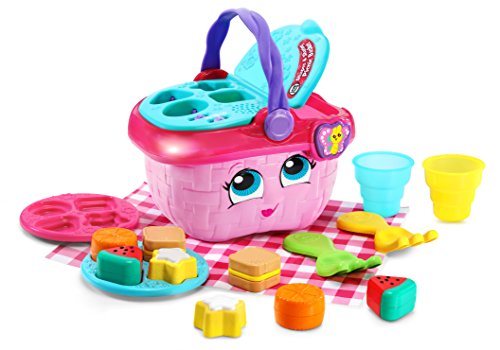 |
LeapFrog Shapes and Sharing Picnic Basket Interactive pretend-play learning |
Check Price |
 |
D Dailyfunn Color & Shape Sorting Box Structured matching practice |
Check Price |
Top 5 Toys For Learning Shapes: Detailed Reviews
1. Melissa & Doug Shape-Sorting Cube
The Melissa & Doug Shape-Sorting Cube is a 13-piece wooden toy that gives Toys For Learning Shapes a straightforward, hands-on format. Your child places each of the 12 bright-colored, easy-to-grip shapes through its matching hole, combining shape matching with color recognition. The activity also encourages problem-solving as children rotate pieces to find the correct fit. Designed for toddlers and preschoolers ages 2 to 4, its sturdy wooden construction should suit repeated play, while the simple design keeps the focus on sorting rather than distractions.
What We Like:
- The wooden construction is designed for repeated play.
- Each shape has a matching hole, making the task easy to understand.
- Bright colors support color recognition alongside shape practice.
- The pieces are easy for small hands to grip.
- It encourages problem-solving through hands-on play.
What Could Be Improved:
- The single sorting activity may feel repetitive after children master the matches.
- It focuses on recognition and fitting, with no interactive or pretend-play elements.
- You may need to supervise younger children during play.
Buy it if you want a durable, screen-free sorting toy for a child ages 2 to 4 who is beginning to learn shapes and colors. Skip it if your child already handles basic matching easily or needs varied activities, sounds, or pretend-play features to stay engaged.
2. Fisher-Price Baby’s First Blocks
Toys For Learning Shapes can start with simple, hands-on play, and Fisher-Price Baby’s First Blocks gives babies 10 blocks to sort, stack, and drop. The set introduces colors and shapes through activities that suit infants and toddlers ages 6 months and older. When playtime ends, every block fits inside the storage bucket, helping you keep the pieces together. The easy-carry handle also makes the bucket practical for taking the set along for travel play. It offers straightforward developmental play without adding complicated parts or instructions.
What We Like:
- Ten blocks support sorting, stacking, and dropping for varied early play.
- The bucket stores all the blocks, making cleanup simpler.
- An easy-carry handle supports take-along play.
- The set introduces both colors and shapes.
- It suits babies and toddlers ages 6 months and older.
What Could Be Improved:
- The play is focused on basic sorting, stacking, and dropping, so older preschoolers may want more challenge.
- The set does not offer interactive features for children seeking sounds, lights, or guided activities.
- Younger babies may need help getting started with shape sorting.
Buy it if you want a simple first shape toy that supports hands-on sorting and keeps its pieces contained. It fits families with babies from 6 months onward, especially those who value portable storage. Skip it if your child needs advanced puzzles, richer pretend play, or more challenging activities.
3. Learning Resources Shape & Color Garden
Learning Resources Shape & Color Garden is a hands-on sorting toy that turns Toys For Learning Shapes into playful planting and stacking. Its colorful flower-shaped pieces fit little hands, so your child can sort by shape and color, stack flowers, plant them, and practise counting, matching, and problem solving. This active play supports shape recognition and fine motor skills without a screen. The set includes an activity guide with child-friendly sustainability facts to encourage conversation and open-ended learning. Made with 70% post-consumer recycled plastic, it adds a sustainability point to everyday play.
What We Like:
- Flower-shaped pieces make repeated shape practice feel like pretend gardening.
- Planting and stacking provide useful fine motor practice for small hands.
- Sorting activities support color recognition, matching, counting, and early problem solving.
- Screen-free play leaves room for conversation and child-led exploration.
- The 70% post-consumer recycled plastic gives the set a notable sustainability benefit.
What Could Be Improved:
- Open-ended play may need adult guidance at first, especially for children new to sorting.
- The set does not provide electronic prompts or feedback, so learning depends on hands-on play and conversation.
- Children who prefer a single clear challenge may find the gardening format less structured.
Buy it if you want a tactile, screen-free way to practise shapes, colors, and fine motor skills through imaginative play. It suits toddlers and preschoolers who enjoy sorting and building. Skip it if you want fixed instructions, automatic feedback, or a toy focused on only one skill.
4. LeapFrog Shapes and Sharing Picnic Basket
Toys For Learning Shapes can turn pretend play into a guided matching activity. The LeapFrog Shapes and Sharing Picnic Basket includes 15 colorful pieces, including food, plates, forks, cups, and a tablecloth, so your child can act out a picnic for two. Matching each food piece to the interactive shape sorter prompts the basket to name its shape and color. Three modes cover music, shapes and colors, and picnic play, while the butterfly button adds songs and polite snack requests. The basket lights up and stores all the pieces inside.
What We Like:
- Shape and color prompts connect matching with spoken learning.
- Pretend picnic play gives children a familiar reason to practice.
- Three modes let you switch between music, sorting, and requests.
- The basket responds when children feed it the correct food.
- All 15 pieces fit inside for easier storage.
What Could Be Improved:
- The included batteries are for demonstration only, so you should use new 3 AA batteries for regular play.
- Fifteen separate pieces may take supervision and tidying, especially with younger children.
- Children looking for quiet, open-ended play may find the music and responses distracting.
Buy it if you want an interactive toy that combines shape recognition, colors, music, and pretend play in one activity. It suits children who enjoy following prompts and matching pieces. Skip it if you prefer a simple, non-electronic sorter or want a toy with fewer loose parts to manage.
5. D Dailyfunn Color & Shape Sorting Box
The D Dailyfunn Color & Shape Sorting Box is one of the more structured Toys For Learning Shapes, with 25 solid wood pieces in five colors and five shapes. Your child matches pieces by color and form, building motor skills and hand-eye coordination through simple movements. Thirteen answer cards add logic activities in advanced mode, giving the toy more replay value than basic sorting alone. The natural wood construction is designed for durability, while BPA-free materials and non-toxic paint support safer everyday play.
What We Like:
- Five colors and five shapes create clear, repeatable matching practice.
- Answer cards add a progression from basic sorting to logic activities.
- Solid wood pieces should withstand regular handling better than MDF.
- Hands-on movements support motor skills and hand-eye coordination.
- The structured format makes it easy to guide independent practice.
What Could Be Improved:
- The answer-card activities may be too challenging for younger toddlers without adult guidance.
- Its focused matching format offers less imaginative play than pretend-play toys.
- Children who already master basic colors and shapes may move through the simpler activities quickly.
Buy it if you want a durable, hands-on sorting toy with a clear learning path from color and shape matching to simple logic work. It suits families who prefer structured Montessori-style activities. Skip it if your child mainly wants imaginative play or needs a toy with less adult-supported challenge.
How To Choose Toys For Learning Shapes
Choose a suitable developmental level
The best Toys For Learning Shapes should match the way your child currently plays, not just their age on the packaging. Younger toddlers may benefit from large, easy-to-grip pieces and simple posting or stacking tasks, while older toddlers and preschoolers can handle more varied shapes, colors, and matching rules. Look for an activity that offers a small challenge without making every attempt feel like a test.
Prioritize clear, hands-on learning
Shape concepts become easier to understand when your child can touch, move, compare, and fit pieces together. A useful toy should make the connection between a shape and its matching space or object reasonably clear. Open-ended play adds value because your child can sort, stack, name, or group pieces instead of following only one sequence.
Check safety and ease of handling
Choose pieces that are large enough for the intended age range and easy for small hands to grasp. Avoid toys with loose parts that do not suit your child’s stage, and check the manufacturer’s age guidance before buying. Rounded edges, sturdy construction, and pieces that resist frustration matter more than having a large number of shapes.
Think about cleanup, storage, and lasting use
Shape-learning toys often include several pieces, so storage can determine whether you actually reach for them regularly. A container or built-in storage area helps keep the set together and makes tidying easier. Also consider whether the toy supports more than one kind of play, such as sorting by color, naming shapes, pretend play, or simple problem-solving. That variety can help the activity stay useful as your child’s skills develop.
Which Shape-Learning Toy Should You Choose?
The Melissa & Doug Shape-Sorting Cube is the best overall pick because it gives children a clear, classic way to practise sorting both shapes and colors. The Learning Resources Shape & Color Garden is the best alternative if you want a more hands-on sensory sorting experience. Both choices keep the learning focused while offering a different style of play, so choose based on whether your child prefers straightforward matching or more tactile exploration.

Hi, I’m Mallory Crusta, the heart and mind behind LovelyPetSpot.com.. As a passionate pet enthusiast, I created this space to share my experiences, expertise, and love for all things pets. Whether it’s helpful tips, heartfelt stories, or advice for pet parents, my mission is to make the journey of caring for your furry, feathery, or scaly friends as joyful and fulfilling as possible. Join me in celebrating the incredible bond we share with our animal companions!